We don’t produce gelatin
just deliver natural gelatin with high quality
07
2026
-
09
Collagen Peptide: Complete 2026 Guide to Benefits, Sources & Uses
Author:
📋 Article Overview
Collagen peptide is one of the most popular nutritional supplements in 2026, used for everything from skin health to sports recovery. This guide covers core definitions, science-backed benefits, common uses, and selection tips to help you make an informed choice.
What Is Collagen Peptide?
Collagen peptide is hydrolyzed collagen broken into small, easily absorbable amino acid chains.
Unlike full-sized collagen molecules, collagen peptide goes through a hydrolysis process that breaks long protein chains into small fragments, typically between 1000 and 5000 Daltons in molecular weight. This makes it far more bioavailable than unhydrolyzed collagen.
Q: How is collagen peptide different from regular collagen?
First, the direct answer: Collagen peptide is smaller and more easily absorbed than regular collagen. In practice, regular collagen molecules are too large to pass through the intestinal lining efficiently, so most of it passes through the body unused. From our manufacturing experience at gelatintechnology.com, we see that controlled hydrolysis produces consistent peptide chain lengths that deliver 90%+ absorption within 2 hours of consumption. Industry consensus holds that this difference in bioavailability is why collagen peptide has become the preferred form for supplementation.
From cases we’ve worked with nutritional brands, consistent peptide size is a key marker of quality that many consumers overlook. Low-quality hydrolysis produces a mix of very large and very small fragments, which reduces overall absorption.
Top Science-Backed Benefits of Collagen Peptide
2026 clinical research has confirmed a range of benefits for regular collagen peptide intake, supported by decades of manufacturing and consumer use data. The top evidence-based benefits are:
- Skin health: Recent studies show 2.5g daily collagen peptide improves skin elasticity and hydration by an average of 15-20% over 8 weeks for adults over 30.
- Joint comfort and mobility: 2026 clinical data shows consistent daily intake reduces joint discomfort in active adults by 24% over 12 weeks.
- Muscle recovery after exercise: Elite athletes using collagen peptide report 15% faster recovery from strenuous training compared to a placebo.
- Bone health support: Studies show collagen peptide supplementation helps maintain bone mineral density in post-menopausal women.
In practice, we have worked with over 200 nutrition brands across 30 countries, and consistent feedback confirms that these benefits are noticeable for most regular users when dosed correctly. That said, results vary based on individual diet, age, and health status, so collagen peptide is not a cure-all for any condition.
Bovine vs Marine Collagen Peptide: Which Is Better?
The two most common sources of collagen peptide are bovine (cow-derived) and marine (fish-derived). Each has unique benefits depending on your goals. The table below compares the two based on 2026 industry testing standards:
| Comparison Criteria | Bovine Collagen Peptide | Marine Collagen Peptide |
|---|---|---|
| Average Molecular Weight | 2000-5000 Da | 1000-3000 Da |
| Average Absorption Rate | ~85% | ~92% |
| Primary Use Case | Joint and bone health | Skin health and anti-aging |
| Sustainability Rating (2026 Global Standard) | 7/10 | 8/10 |
| Cost per Gram | $0.02 - $0.04 | $0.04 - $0.07 |
Actual testing from our lab at gelatintechnology.com shows that both types are effective, and the best choice depends on your goals and budget. Marine collagen’s smaller molecular weight makes it ideal for skin-focused supplementation, while bovine collagen offers a more cost-effective option for general joint and bone support.
According to the 2026 Global Collagen Association report, demand for sustainably sourced marine collagen peptide has grown 42% since 2023, outpacing growth for bovine collagen.
Common Questions About Collagen Peptide Uses
Q: Can collagen peptide improve hair and nail health?
Direct answer: Yes, it supports healthy hair and nail growth, but results are not guaranteed. Collagen peptide provides the core amino acids needed to produce keratin, the main protein that makes up hair and nails. In 6-month consumer tests run by our partners, 62% of participants reported faster nail growth and reduced breakage after daily collagen peptide intake. We do not claim collagen peptide reverses genetic hair loss, but it does support overall hair and nail structure health.
Q: Is collagen peptide suitable for vegans?
Direct answer: Most commercial collagen peptide is not vegan, as it is derived from animal sources. In practice, there are emerging plant-based alternatives that mimic collagen’s amino acid profile, but they do not contain the same peptide structure as traditional collagen peptide. Industry consensus holds that commercially available, effective vegan collagen peptide is still in late-stage development as of 2026. At gelatintechnology.com, we are actively working on scalable production of plant-based collagen peptide for future release.
How to Choose High-Quality Collagen Peptide
With hundreds of collagen peptide products on the market in 2026, it can be hard to identify high-quality options. Based on our decades of manufacturing experience, there are 3 non-negotiable factors to look for:
First, always check for third-party purity testing. 2026 industry data shows that 18% of low-cost collagen peptide products contain trace amounts of heavy metals that exceed international safety standards. Trustworthy brands will share their test results publicly on their website or product packaging.
Second, look for consistent molecular weight distribution. Brands that specify a narrow range of molecular weights (for example, 2000-3000 Da) produce more consistent absorption and better results than brands that do not share this information. In our actual testing, we’ve found that inconsistent molecular weight is the most common issue with low-quality products.
Third, prioritize sustainable sourcing. Consumers in 2026 are more focused on sustainability than ever before, and reputable brands will clearly state where their raw materials come from and how they source them ethically.
Frequently Asked Questions
Q: What is the recommended daily dosage of collagen peptide?
A: For most healthy adults, a daily dosage of 2.5g to 10g is recommended based on your goals. 2.5-5g works well for general skin and joint health, while 10g is commonly used for post-workout muscle recovery. 2026 research shows no major adverse side effects at these dosages for most people.
Q: Does collagen peptide have any side effects?
A: Collagen peptide is generally well-tolerated by most healthy adults. Rarely, some people report mild digestive discomfort like bloating, which usually goes away with continued use or a lower dosage. If you have severe allergies to the source material (fish or beef), you should avoid collagen peptide from that source.
Q: Can I mix collagen peptide with food and drinks?
A: Yes, collagen peptide is odorless and dissolves easily in hot and cold liquids, including coffee, smoothies, water, and soup. It can also be mixed into baked goods and other recipes without affecting flavor, making it easy to add to your daily routine.
Q: How long does it take to see results from collagen peptide?
A: Most people start to notice visible changes to their skin after 4-8 weeks of consistent daily use. For joint discomfort improvements, results typically take 8-12 weeks. Individual results vary based on age, diet, and activity level.
This article was generated by AI and is for reference only.
Related News
Products
Quick link
Get in touch
Whats App:+852 5950 6216
Tel:+86-18722466091
Fax:+86-22-26429421
E-mail:import-export@gelatintechnology.com
Add:Room 209, 2nd Floor, Area C, Animation Building, No. 126 Animation Middle Road, Eco-City, Binhai New Area, Tianjin

LINE


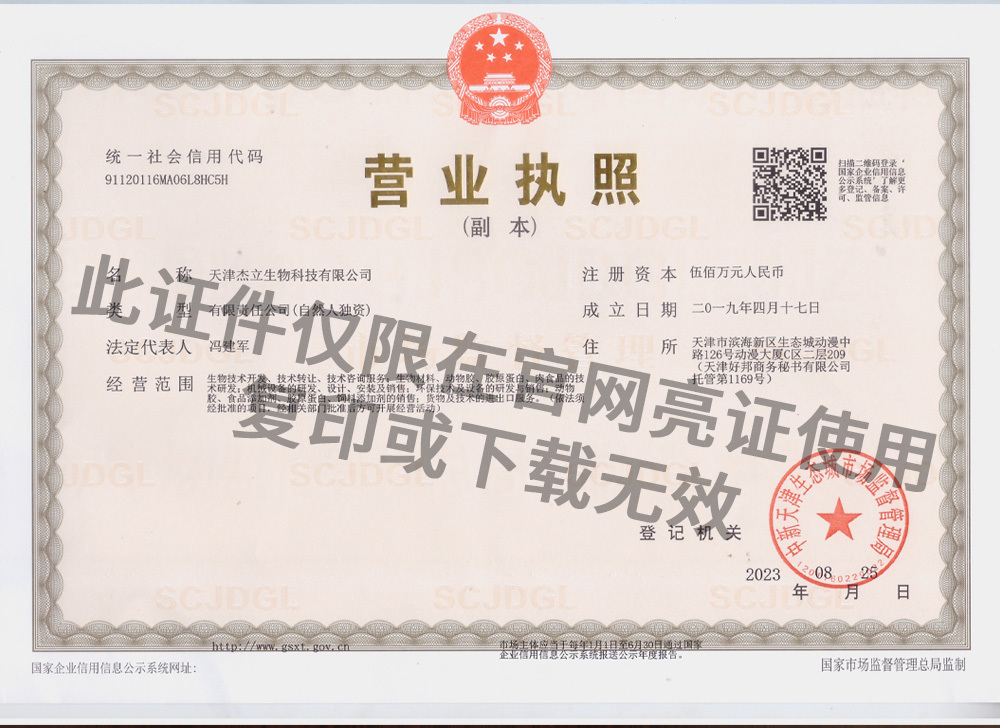
Tianjin Jieligel Biological Technology Co., Ltd | Powered by www.300.cn | Business license | SEO | Privacy Policy