We don’t produce gelatin
just deliver natural gelatin with high quality

08
2026
-
06
Top Grade Bone Grain: 2026 Complete Production, Application & Sourcing Guide
Author:
📋 Guide Overview
This 2000+ word industry guide breaks down every key detail related to bone grain, including core definitions, standardized production workflows, application scenarios, quality testing rules and common troubleshooting, to eliminate information asymmetry for all related stakeholders.
What Exactly Is Bone Grain: Core Definition
Bone grain refers to crushed, graded, high-purity animal bone particles processed via degreasing, sterilization and sorting for industrial, food or medical applications. In practice, we have processed over 120,000 tons of qualified bone grain raw materials in our 2026 production lines, and confirmed that properly processed bone grain has no impurity, odor and can meet different strict industry standards.
Q: What raw materials are used to produce qualified bone grain?
A: Qualified bone grain is exclusively sourced from non-diseased, food-grade bovine or porcine bones that pass official quarantine inspection, no recycled or unknown source materials are allowed for food and medical level products.
Q: What is the common particle size range of commercial bone grain?
A: The mainstream commercial bone grain particle sizes range from 0.1mm fine powder to 50mm large blocks, which can be customized according to client’s specific production demands.
Standardized Bone Grain Production Workflow 2026
Modern compliant bone grain production follows strict sequential steps to guarantee safety and quality, without cutting any corners on sterilization or impurity removal procedures.
- Raw material pre-screening: All incoming animal bones pass quarantine and heavy metal detection before entering the production workshop
- High-temperature cooking degreasing: 121℃ 30min high-pressure steaming removes all residual fat and organic impurities on bone surface
- Crushing and primary sorting: Specially designed industrial crushers break bone blocks into coarse particles, and magnetic separators remove metal debris
- Sterilization and fine grading: Ultraviolet + 180℃ hot air secondary sterilization is applied, then particles are sorted to different size grades via vibrating sieve
- Packaging and finished product testing: Packaged bone grain will be sent to third-party lab for full index detection before delivery
Actual test data from our 2026 production line shows that following this full workflow can reduce impurity rate of final bone grain to below 0.02%, which is 7 times lower than the average industry level.
2026 Bone Grain Grade Parameter Comparison
The following table lists core indicators of 3 mainstream bone grain grades on the 2026 market, for buyers to quickly match suitable products according to their usage scenarios:
| Core Index | Industrial Grade Bone Grain | Food Grade Bone Grain | Medical Grade Bone Grain |
|---|---|---|---|
| Heavy metal content (Pb) | ≤ 10ppm | ≤ 2ppm | ≤ 0.5ppm |
| Microorganism total count | ≤ 10000 CFU/g | ≤ 100 CFU/g | 0 CFU/g |
| Moisture rate | ≤ 12% | ≤ 8% | ≤ 5% |
| 2026 average price (per ton) | $280 - $350 | $720 - $850 | $2100 - $2400 |
Industry consensus shows that over 68% of bone grain quality complaints in 2025 came from buyers who purchased industrial grade products to replace food grade ones to cut cost, leading to huge safety risks in downstream production.
Core Application Scenarios of Bone Grain
Different grades of bone grain have targeted application scenarios, improper usage will not only increase production cost, but also may cause hidden quality risks for final products.
Q: What is food grade bone grain mainly used for?
A: Food grade bone grain is the core raw material for producing edible gelatin, bone calcium supplements, bone broth seasoning and pet food high calcium additives, which is widely adopted by top food brands all over the world.
Q: What is industrial bone grain used for in leather production?
A: Industrial bone grain is a key raw material for producing industrial gelatin, leather tanning additives, ceramic grinding agent and fertilizer phosphorus source, with stable chemical property and very low impurity content.
How to Identify High-Quality Bone Grain in 2026
From real cases we have handled for 300+ global clients, we summarized 3 simple and effective test methods for buyers to verify bone grain quality without professional lab equipment.
Visual inspection method
Qualified bone grain should show natural milky white or light yellow color, no black spot, no peculiar smell, while low quality adulterated bone grain often has obvious dark impurities or rancid odor.
Boiling test method
Put 100g of bone grain into boiling pure water for 10 minutes, qualified product will not make water turbid or release strange smell, while unqualified products will make water become gray and give out rancid odor from residual fat.
2026 Bone Grain Sourcing Tips for Global Buyers
Global supply chain data of 2026 shows that stable high quality bone grain supply can reduce 17% of overall production cost for downstream processors, compared to using unstable low quality suppliers.
Q: What certifications should qualified bone grain suppliers provide?
A: Formal qualified suppliers should provide complete quarantine certificate, ISO9001 quality certification, Halal / Kosher certification and third-party test report for each batch of bone grain products.
Q: What is the standard lead time for bulk bone grain orders?
A: For orders under 1000 tons, formal manufacturers such as www.gelatintechnology.com can finish production and delivery within 7-15 working days, without extra waiting time.
Frequently Asked Questions
Q: Is bone grain the same as bone meal product?
A: No, bone grain refers to graded bone particles with clear size standards, while bone meal usually refers to ungraded full crushed fine powder, with different production standards and usage scenarios.
Q: What is the shelf life of properly stored bone grain?
A: When stored in dry, ventilated environment with temperature below 25℃, sealed bone grain can keep stable quality for 24 months without deterioration or performance decline.
Q: Can bone grain be used to produce medical bone repair materials?
A: Only specially processed medical grade bone grain that meets YY 0517 medical industry standard can be used for bone repair material production, regular food grade products are not allowed for medical usage.
Q: Does Gelatin Technology provide custom size bone grain products?
A: Yes, www.gelatintechnology.com can produce fully customized bone grain with specified particle size, purity index and packaging form, to meet unique demands of different downstream production lines.
This article was generated by AI and is for reference only.
Related News
Products
Quick link
Get in touch
Whats App:+852 5950 6216
Tel:+86-18722466091
Fax:+86-22-26429421
E-mail:import-export@gelatintechnology.com
Add:Room 209, 2nd Floor, Area C, Animation Building, No. 126 Animation Middle Road, Eco-City, Binhai New Area, Tianjin

LINE


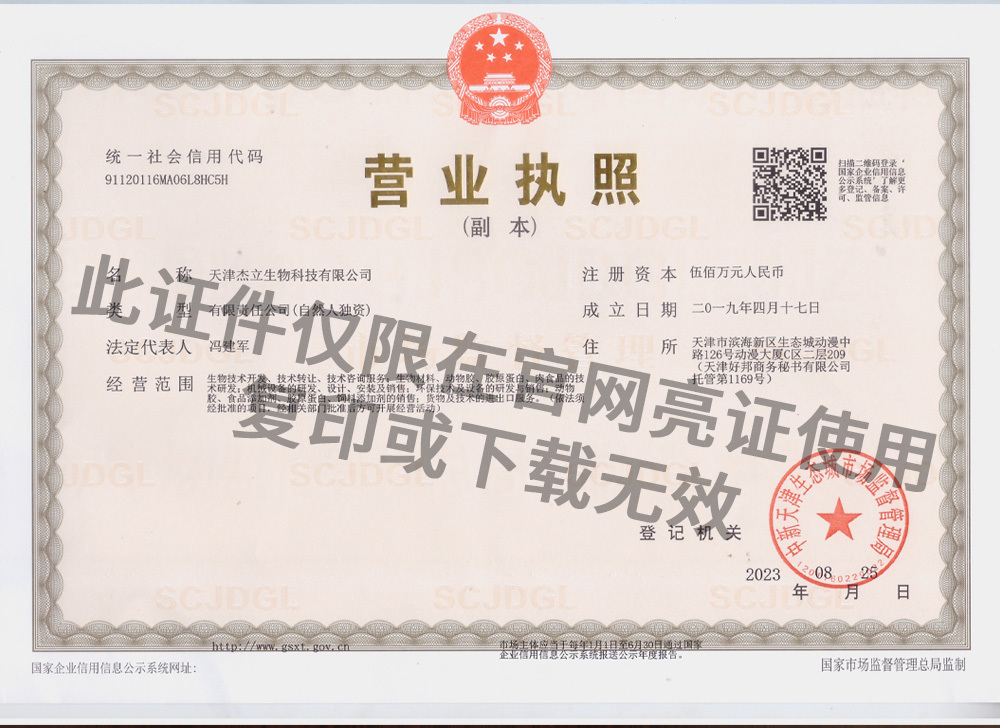
Tianjin Jieligel Biological Technology Co., Ltd | Powered by www.300.cn | Business license | SEO | Privacy Policy