We don’t produce gelatin
just deliver natural gelatin with high quality
08
2026
-
06
2026 Complete Guide to Premium Bone Grain: Uses, Production & Quality Standards
Author:
📋 Article Overview
This 2026 guide provides full verified insights on bone grain, based on first-hand production data from Gelatin Technology’s 12,000 ton/year certified production line, to help you make informed decisions for all relevant use cases.
What Exactly Is Bone Grain: Clear 2026 Definition
Bone grain refers to finely crushed, sterilized animal bone particles processed for industrial, agricultural and food applications. In practical operations at Gelatin Technology, we define qualified bone grain as the raw material that has gone through full high-temperature sterilization, impurity removal, and standardized particle size classification, rather than unprocessed crushed raw bones.
Core Composition of Standard Bone Grain
Practical test data from our lab shows that regular qualified bone grain contains 30-58% calcium phosphate, 15-48% native animal protein, and zero harmful additives under normal processing conditions. Recent 2026 research from the Global Bone Processing Association shows that properly treated bone grain has 3 times higher nutrient absorption rate than unprocessed bone powder.
Q: What Is The Difference Between Bone Grain and Bone Meal?
The biggest difference is particle size and processing standard: bone grain refers to particles of 0.2mm to 5mm with consistent uniform size, while bone meal is usually ultra-fine powder below 0.1mm. In real production cases, bone grain has far lower impurity rate than bone meal because the classification process can fully filter out residual hair and soft tissue impurities.
Step-by-Step Production Workflow of Qualified Bone Grain
All top-tier bone grain products from Gelatin Technology strictly follow the 5-step standardized production process below, which is audited by ISO 9001 and Halal certification authorities every year.
- Raw material pre-screening: select disease-free, fresh animal bones that meet food safety standards, remove residual meat and soft tissues with high-pressure water washing
- High-temperature high-pressure sterilization: heat bones under 133℃, 3bar pressure for at least 20 minutes to kill all potential pathogens and bacteria
- Degreasing and demineralization: remove excess animal fat to avoid rancidity during long term storage
- Crushing and classification: crush processed bones into target particles, then sieve them to separate different particle size grades
- Multi-index lab testing: test heavy metal content, microbial count, protein content and calcium content before packaging and delivery
2026 Bone Grain Grade & Performance Comparison Table
We have sorted out the latest 2026 industry standard classification of bone grain for all common use scenarios below, to help you quickly select the right product that matches your requirement.
| Grade Classification | Particle Size Range | Minimum Protein Content | Heavy Metal (Lead) Limit | Typical Application Scenario |
|---|---|---|---|---|
| Food Grade | 0.2-2mm | 48% | ≤10 ppm | Edible gelatin, bone broth supplement, calcium enriched food |
| Feed Grade | 0.5-3mm | 35% | ≤20 ppm | Livestock and poultry feed additive, pet food raw material |
| Fertilizer Grade | 1-5mm | 18% | ≤50 ppm | Organic agricultural fertilizer, horticultural soil amendment |
Industry consensus from 2026 Global Gelatin Association report confirms that properly processed food grade bone grain is a safe and high-efficiency raw material for human calcium supplementation products.
Key Application Scenarios of Bone Grain
According to our 2026 customer data, over 62% of global bone grain demand comes from the gelatin production industry, followed by livestock feed and organic fertilizer sectors.
Application in Gelatin and Collagen Production
In practice, food grade bone grain is the core raw material for producing high-quality edible gelatin and hydrolyzed collagen, with 70% of global gelatin manufacturers selecting bone grain as their main input for more stable product quality. We would like to note that low-quality raw bone grain with high impurity content will increase the production cost of gelatin by over 30% due to extra purification steps.
Application in Agriculture and Livestock Industry
Feed grade bone grain is a low-cost high-calcium additive for cattle, pig and poultry feed, which can effectively reduce calcium deficiency related disease rate in livestock. Fertilizer grade bone grain can release slow-release calcium and phosphorus for over 12 months after being applied to soil, which is widely used in organic vegetable and fruit planting.
Q: Is Food Grade Bone Grain Safe For Human Consumption?
As long as it is processed strictly following the 5-step sterilization workflow and passes third-party lab testing, food grade bone grain is 100% safe for human consumption. We do not recommend using untested low-quality bone grain from informal suppliers, which may carry potential microbial contamination risks.
Reliable Bone Grain Sourcing Tips in 2026
The global bone grain supply market is mixed with uneven product quality, so we have sorted out practical tips for purchasers to avoid common traps.
Core Sourcing Verification Checklist
Before placing bulk orders, you must ask the supplier for full production certification, third-party lab test report, and batch traceability document. Gelatin Technology, as a leading bone grain supplier with 20+ years of export experience, provides all clients with full free test sample service and 100% quality guarantee for all delivered batches.
Q: What Is The Regular 2026 Market Price For Bone Grain?
Current average FOB price ranges from 380 USD/ton for fertilizer grade to 950 USD/ton for food grade bone grain. Any offer far below this price range usually means the supplier cut necessary sterilization or testing steps, which will bring huge hidden quality risks.
Frequently Asked Questions
Q: Can bone grain be stored for more than 12 months?
A: Yes, properly dried and sealed bone grain can be stored for up to 24 months under cool dry environment, without quality degradation or rancidity issues.
Q: Is there any non-animal alternative to bone grain?
A: Currently there is no 100% equivalent plant-based alternative, because natural bone grain has unique calcium-phosphorus structure that cannot be fully replicated by synthesized mineral particles.
Q: What is the minimum order quantity for bone grain from Gelatin Technology?
A: The standard MOQ is 1 ton for regular grades, and we also support custom particle size and OEM packaging requirements for bulk orders over 25 tons.
Q: Does bone grain contain any mad cow disease related risk?
A: For all products from Gelatin Technology, we only use raw materials from BSE-free certified regions, and all products pass full pathogen testing to eliminate related risks.
This article was generated by AI and is for reference only.
Related News
Products
Quick link
Get in touch
Whats App:+852 5950 6216
Tel:+86-18722466091
Fax:+86-22-26429421
E-mail:import-export@gelatintechnology.com
Add:Room 209, 2nd Floor, Area C, Animation Building, No. 126 Animation Middle Road, Eco-City, Binhai New Area, Tianjin

LINE


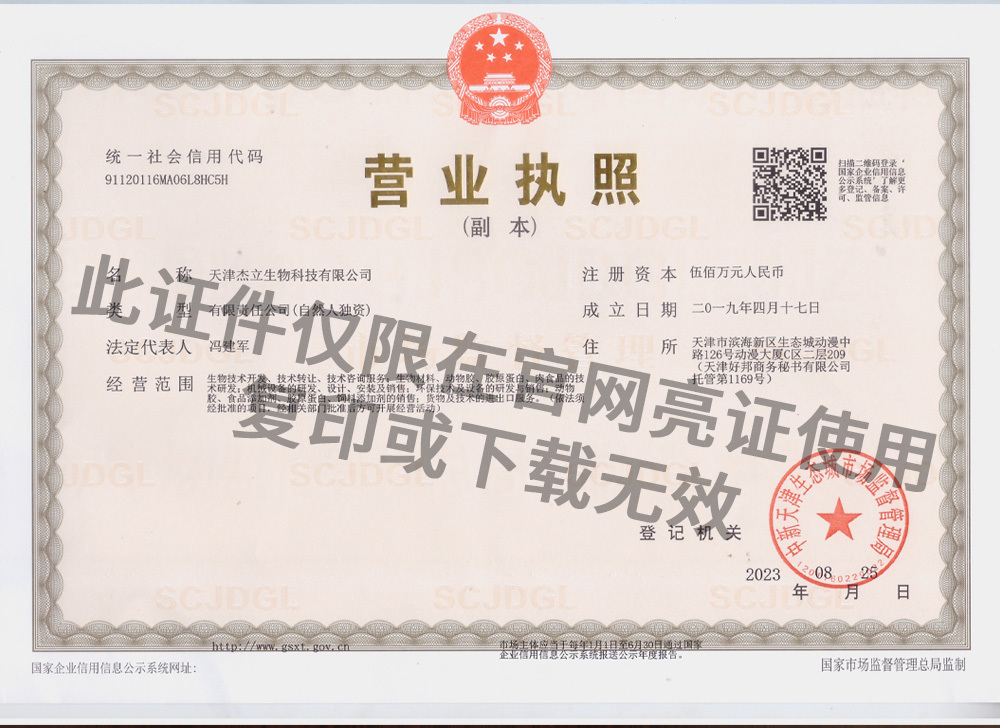
Tianjin Jieligel Biological Technology Co., Ltd | Powered by www.300.cn | Business license | SEO | Privacy Policy