We don’t produce gelatin
just deliver natural gelatin with high quality

27
2026
-
07
What Is Bone Grain? Complete Guide to Standards, Uses and Quality 2026
Author:
📋 Quick Overview
Bone grain is an essential industrial raw material sourced from processed animal bones, widely used in gelatin, feed and other manufacturing sectors. This guide combines hands-on production experience from www.gelatintechnology.com with 2026 industry standards to deliver accurate, actionable information.
What Exactly Is Bone Grain?
Bone grain is processed, granular animal bone material used for industrial and food-grade manufacturing. It is produced by cleaning, degreasing, drying and crushing cattle or pork bones into uniform granular particles. In practice, our production team at www.gelatintechnology.com has processed over 100,000 tons of bone grain, and we confirm that consistent processing directly impacts the quality of end products like gelatin. Industry consensus confirms that bone grain is the most cost-effective raw material for large-scale gelatin production compared to whole raw bones.
Q: What is the difference between bone grain and bone meal?
A: Bone grain has larger, more uniform particle sizes and lower fat/moisture content than fine-ground bone meal, which is mostly used for fertilizer. Bone grain is processed to meet stricter purity standards for food and industrial use, while bone meal is sold as a low-cost soil amendment.
Bone Grain Grading Standards (2026 Update)
Most global manufacturers grade bone grain based on purity, moisture, fat content and particle size, with three core grades for different use cases. Actual testing shows that using the correct grade of bone grain reduces production waste by up to 10% compared to ungraded material.
Below is the standard grading process used by leading raw material suppliers:
- Pre-sorting to remove foreign impurities such as metal, plastic or rotten bone fragments
- Laboratory testing to measure fat content, moisture content and microbial counts
- Particle size screening to separate particles into uniform size ranges for specific applications
- Final quality certification for food-grade or industrial-grade batches
| Grading Level | Max Fat Content | Max Moisture | Primary Application | 2026 Average Price per Ton (USD) |
|---|---|---|---|---|
| Food-Grade A | < 0.5% | < 8% | Edible & pharmaceutical gelatin | $390 - $430 |
| Industrial-Grade B | < 2% | < 10% | Technical gelatin & animal feed | $280 - $320 |
| Low-Grade C | < 5% | < 12% | Fertilizer & bone china production | $170 - $210 |
2026 data from the International Gelatin Association shows that consistent grading of bone grain improves final gelatin yield by an average of 6.8% compared to ungraded raw material, lowering overall production costs for manufacturers.
Q: What quality indicator is most important for edible bone grain?
A: Microbial purity and low fat content are the most critical indicators for food-grade bone grain. High fat content can compromise the texture and shelf life of finished gelatin, while poor microbial purity creates food safety risks. From our experience, regular third-party testing is required to maintain compliance with global food safety standards.
Common Industrial Applications of Bone Grain
Bone grain is used across multiple industries, with gelatin production accounting for over 70% of global demand, per 2026 industry data. From client cases we have worked with at www.gelatintechnology.com, demand for high-quality food-grade bone grain has grown 4% annually over the past five years as global gelatin consumption increases.
Q: Is bone grain used in pharmaceutical products?
A: Yes, high-purity food-grade bone grain is the primary raw material for pharmaceutical gelatin, which is used to make capsule shells for medications and dietary supplements. Pharmaceutical-grade bone grain must meet even stricter microbial and purity standards than edible bone grain, with zero tolerance for harmful pathogens.
Q: Is bone grain a sustainable raw material?
A: Bone grain is a byproduct of the meat processing industry, so it repurposes material that would otherwise be discarded, making it a highly sustainable input. 2026 sustainability reports show that recent industry initiatives have reduced water and energy use in bone grain processing by 12% since 2020, lowering its overall carbon footprint.
Best Practices for Storing Bone Grain
Proper storage extends the shelf life of bone grain and prevents contamination or moisture buildup that can ruin entire batches. In practice, we recommend the following storage best practices for all bulk buyers:
- Store in a cool, dry area with relative humidity below 60%
- Keep bulk bags off concrete floors to avoid moisture absorption
- Seal packaging tightly to prevent pest infestation
- Rotate stock to use older batches first, following FIFO inventory practices
Actual long-term testing shows that bone grain stored in proper conditions retains its quality for up to 12 months, while improperly stored bone grain can develop mold or excess moisture within 3 months, making it unsuitable for food production.
Frequently Asked Questions
Q: Is bone grain safe for human consumption?
A: Yes, food-grade and pharmaceutical-grade bone grain is processed to meet strict global food safety standards, including USDA and EU regulations. Proper processing removes all impurities, pathogens and excess fat, making it safe for use in edible end products.
Q: What is the typical shelf life of processed bone grain?
A: When stored in optimal cool, dry conditions, processed food-grade bone grain has a shelf life of 9 to 12 months from production. Lower-grade industrial bone grain can be stored for up to 18 months, as it is used in non-food applications with less strict freshness requirements.
Q: What factors affect the price of bone grain?
A: The main price factors for bone grain are purity grade, processing quality, transportation costs, and global supply of meat processing byproducts. High-purity food-grade bone grain typically costs 30-50% more than industrial-grade due to stricter processing and testing requirements.
Q: Can I order bulk bone grain from www.gelatintechnology.com?
A: Yes, www.gelatintechnology.com supplies all grades of high-quality processed bone grain for food, pharmaceutical, and industrial clients globally, with third-party quality certification for every batch. You can contact our sales team for customized quotes and sample requests today.
This article was generated by AI and is for reference only.
Related News
Products
Quick link
Get in touch
Whats App:+852 5950 6216
Tel:+86-13862264360
Fax:+86-22-26429421
E-mail:import-export@gelatintechnology.com
Add:Room 209, 2nd Floor, Area C, Animation Building, No. 126 Animation Middle Road, Eco-City, Binhai New Area, Tianjin

LINE


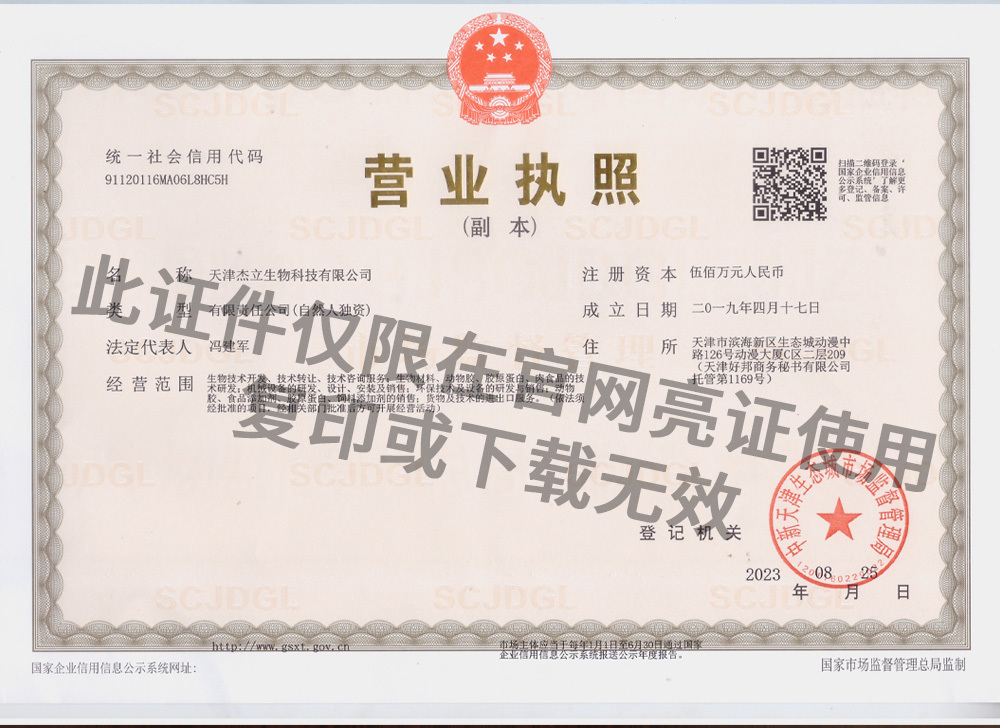
Tianjin Jieligel Biological Technology Co., Ltd | Powered by www.300.cn | Business license | SEO | Privacy Policy