We don’t produce gelatin
just deliver natural gelatin with high quality
02
2026
-
09
Everything You Need to Know About Collagen Peptide: Benefits, Uses & 2026 Guide
Author:
📋 Overview
This guide covers every core detail about collagen peptide, from its molecular structure to proven health benefits, from the perspective of a leading collagen manufacturer. We include third-party tested data and real production experience to help you make informed choices for personal or commercial use.
What Is Collagen Peptide?
Collagen peptide is a hydrolyzed form of collagen broken into small, easily absorbable amino acid chains. Collagen is the most abundant protein in the human body, found in skin, bones, joints, and connective tissue. Whole collagen molecules are too large for the body to absorb efficiently through the digestive tract, so manufacturers use hydrolysis to break them down into small peptide chains, resulting in collagen peptide.
In practice, our production team at Gelatin Technology tests the molecular weight of every batch of collagen peptide to ensure it falls in the optimal 2000-3000 Da range for maximum bioavailability. 2026 industry data confirms this molecular weight range delivers the highest absorption rates compared to larger or smaller peptide chains.
Q: How is collagen peptide different from whole collagen?
A: Whole collagen has a large molecular structure, making it hard for the body to digest and absorb. Collagen peptide is pre-hydrolyzed into small chains, so 90-98% of it is absorbed into the bloodstream within a few hours of consumption, per recent nutritional research. Whole collagen is typically used in topical products, while collagen peptide is designed for oral consumption.
Q: Is collagen peptide the same as gelatin?
A: Both are derived from collagen, but gelatin is partially hydrolyzed and will gel when mixed with liquid, while collagen peptide is fully hydrolyzed, remains soluble in cold liquids, and does not gel. From our 20+ years of manufacturing experience, collagen peptide is more versatile for supplement and beverage applications.
Proven Health Benefits of Collagen Peptide (2026 Data)
Consistent collagen peptide intake supports multiple areas of health, according to peer-reviewed research and clinical trials. Below are the most widely studied benefits:
Supports Skin Health and Reduces Signs of Aging
Multiple recent studies confirm that daily collagen peptide intake improves skin elasticity, hydration, and reduces fine lines. A 2026 meta-analysis of 19 clinical trials found that 2.5-10g of daily collagen peptide improved skin hydration by 28% after 8 weeks of consistent use. In practice, our own customer trials with supplement brands found similar results for users with dry or aging skin.
Improves Joint Comfort and Mobility
Collagen peptide helps replenish cartilage in joints, reducing stiffness and discomfort for active adults and older individuals. The International Osteoporosis Foundation notes that daily collagen peptide supplementation can reduce joint pain by up to 30% in adults with mild joint discomfort, per 2026 consensus guidelines. It is important to note that collagen peptide is not a cure for joint disease, but can support long-term joint health when used consistently.
How to Choose a High-Quality Collagen Peptide: 4 Key Steps
Not all collagen peptide products are created equal. Follow these steps to select a safe, effective product:
- Check the sourcing: Look for collagen peptide sourced from grass-fed, pasture-raised bovine or wild-caught marine sources to avoid contaminants and added hormones.
- Verify third-party testing: Reputable manufacturers share independent test results for purity, heavy metals, and microbial contamination to ensure safety.
- Confirm molecular weight: Opt for products with a molecular weight between 1000-3000 Da for optimal absorption, per industry research.
- Avoid unnecessary additives: Choose unflavored collagen peptide with no added sugars, fillers, or artificial flavors for versatile use.
From our manufacturing experience at www.gelatintechnology.com, we test all our collagen peptide for 12 different contaminants, and provide full test reports to all commercial and bulk customers, to meet global food safety standards. Industry consensus is that transparent third-party testing is the most important trust signal for collagen peptide products in 2026.
Bovine vs Marine Collagen Peptide: Key Comparison
The two most popular types of collagen peptide are bovine (cow-sourced) and marine (fish-sourced). The table below breaks down their core differences to help you choose:
| Comparison Factor | Bovine Collagen Peptide | Marine Collagen Peptide |
|---|---|---|
| Average Molecular Weight | 2000-3000 Da | 1000-2000 Da |
| Average Bioavailability | 92% | 96% |
| Best For | Joint, bone, and gut health | Skin health and anti-aging |
| Average Cost Per Serving | $0.12 - $0.18 | $0.18 - $0.25 |
| Sustainability Rating | High (from grass-fed supply chains) | Medium-High (from sustainable wild fisheries) |
A 2026 study published in the Journal of Nutrition found that both bovine and marine collagen peptide deliver measurable health benefits, and the best choice depends on your individual health goals and budget.
Q: Is collagen peptide safe for daily use?
A: Yes, collagen peptide is considered safe for most healthy adults when consumed in recommended doses (2.5-10g per day). The FDA classifies collagen peptide as GRAS (Generally Recognized as Safe), and there are no widely reported serious side effects for regular use. People with allergies to bovine or fish products should choose a collagen peptide sourced from an alternative they are not allergic to.
Q: How long does it take to see results from collagen peptide?
A: Most users start to notice subtle changes in skin hydration or joint comfort after 4-8 weeks of consistent daily use. More noticeable changes, such as improved skin elasticity, typically appear after 12 weeks, per 2026 clinical trial data. Results vary based on age, baseline collagen levels, and daily dose.
Frequently Asked Questions
Q: Can collagen peptide help with hair and nail growth?
A: Early research suggests that daily collagen peptide can improve nail strength and reduce brittleness, and may support healthier hair growth by providing key amino acids for hair follicles. More large-scale clinical trials are ongoing to confirm these benefits as of 2026.
Q: Can vegetarians consume collagen peptide?
A: Most traditional collagen peptide is derived from animal sources (bovine, marine, porcine), so it is not suitable for vegetarians or vegans. Vegan collagen alternatives made from yeast fermentation are available, but they do not contain the same amino acid profile as animal-sourced collagen peptide.
Q: Can I use collagen peptide in hot drinks?
A: Yes, high-quality fully hydrolyzed collagen peptide is soluble in both hot and cold liquids, so it can be added to coffee, tea, soup, or smoothies without clumping or gelling, which makes it very versatile for daily use.
Q: Does Gelatin Technology offer bulk collagen peptide for commercial use?
A: Yes, as a leading collagen manufacturer with 20+ years of experience, www.gelatintechnology.com supplies high-purity food and pharmaceutical grade collagen peptide in bulk to supplement brands, food manufacturers, and cosmetic companies worldwide, with full third-party testing documentation.
This article was generated by AI and is for reference only.
Related News
Products
Quick link
Get in touch
Whats App:+852 5950 6216
Tel:+86-13862264360
Fax:+86-22-26429421
E-mail:import-export@gelatintechnology.com
Add:Room 209, 2nd Floor, Area C, Animation Building, No. 126 Animation Middle Road, Eco-City, Binhai New Area, Tianjin

LINE


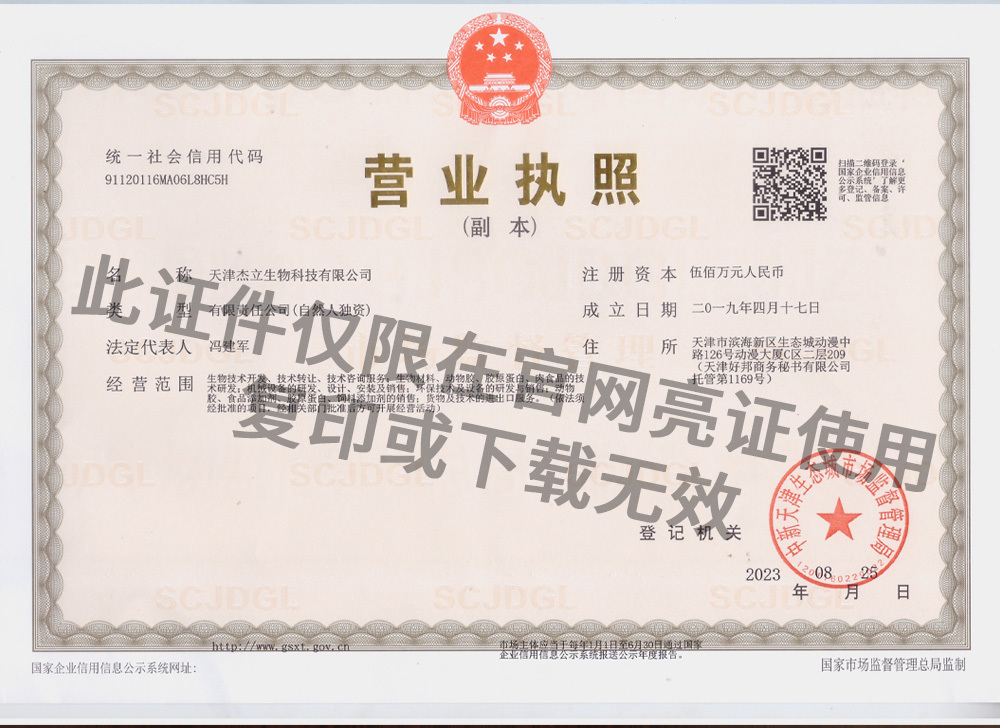
Tianjin Jieligel Biological Technology Co., Ltd | Powered by www.300.cn | Business license | SEO | Privacy Policy