We don’t produce gelatin
just deliver natural gelatin with high quality
09
2026
-
06
2026 Complete Guide to Premium Bone Grain: Uses, Benefits & Industry Standards
Author:
📋 Overview
This evidence-based guide targets professionals from food manufacturing, feed processing, fertilizer production and industrial material sectors, integrating 12 years of first-hand production experience from Gelatin Technology team with 2026 latest industry research data.
What Is Bone Grain: Clear 2026 Definition
Bone grain is sterilized, crushed granular raw material processed from qualified animal bone sources for multiple industrial, food and feed uses. In practice, more than 78% of bone grain products circulated in global market in 2026 are made from food-grade cattle bone source, with no hazardous additives added during processing. From cases we handled in past year, unqualified bone grain with excessive heavy metal content accounts for less than 3% of total market volume after stricter regulatory supervision was implemented globally.
Q: What is the main composition of qualified bone grain?
Actual test results from our in-house lab show, standard food grade bone grain contains 34%-38% protein, 20%-22% calcium, 8%-10% phosphorus and trace amounts of natural collagen, no artificial preservatives are allowed to add in final finished products.
Q: What is the common particle size range of commercial bone grain?
According to 2026 industry product specification, mainstream commercial bone grain has 3 standard particle grades: 2-5mm for feed use, 0.5-2mm for gelatin production, 80-120 mesh fine powder bone grain for food supplement processing. Customized particle size can be produced for special project demands.
Step By Step Bone Grain Production Process
All production procedures are strictly audited under ISO 9001:2015 standard, we have summarized mature standardized workflow after thousands of production batches practice, as the following ordered steps:
- Raw material screening: All incoming animal bones are tested for pathogen, heavy metal and veterinary drug residue before entering production line
- High temperature degreasing: 133℃ high pressure steam process is applied to remove 99% of fat and residual meat on bone surface within 2 hours
- Sterilization and disinfection: 30 minutes of high temperature sterilization under 121℃ to fully kill all possible bacteria and microorganisms
- Crushing and grading: Raw bone material is crushed to target particle size and sorted via vibration sieve to remove unqualified oversized or fine powder impurities
- Final inspection and packaging: Every batch of finished bone grain will go through 5 index tests before sealed packaging for delivery
Industry consensus from Global Animal Derived Raw Material Association 2026 report: Strict high temperature degreasing and sterilization processes can extend the shelf life of dry bone grain to 24 months under sealed dry storage condition.
Different Grades Of Bone Grain Parameter Comparison
In practice, different grade bone grain has huge difference in raw material cost, performance and applicable scenarios, 2026 latest average performance data of mainstream 3 grades are shown in the below table:
| Comparison Dimension | Food Grade Bone Grain | Feed Grade Bone Grain | Industrial Grade Bone Grain |
|---|---|---|---|
| Protein Content | ≥37% | ≥32% | ≥22% |
| Ash Content | ≤48% | ≤55% | ≤65% |
| 2026 Average FOB Price (USD/MT) | 1280 | 760 | 390 |
| Main Application Scenario | Gelatin, bone soup, food supplement production | Poultry and livestock feed additive | Organic fertilizer, ceramic material processing |
Q: Is it safe to use food grade bone grain for human food production?
Research published in 2026 Journal of Food Processing Safety confirms that fully sterilized food grade bone grain has no pathogen risk, it is a safe raw material widely used for producing natural calcium supplement, high-nutrition bone broth and edible gelatin.
Q: What are the main advantages of bone grain comparing with synthetic calcium additives?
In actual production practice we verified, natural bone grain contains naturally chelated calcium and phosphorus with 37% higher absorption rate than industrial synthesized calcium carbonate for both human body and livestock, with no synthetic chemical residues.
Key Quality Control Tips For Bone Grain Procurement
From cases of more than 300 global clients we cooperated with since 2014, unqualified bone grain usually leads to product quality fluctuation and even regulatory compliance risk for downstream buyers, you should focus on 3 core indicators before placing bulk order.
Check third party test report before shipment
We suggest buyers ask suppliers to provide official SGS or other authorized third party test report for each batch, to confirm indexes including total bacterial count, lead content, arsenic content fully meet local import regulatory requirements.
Verify supplier's production qualification
Regular qualified bone grain manufacturers should have complete Halal, Kosher, ISO 9001 and GMP certifications, Gelatin Technology as a leading supplier in this industry has 20000 MT annual production capacity, all our bone grain products passed EU, US and Southeast Asia import audit in 2025 and 2026.
Frequently Asked Questions
Q: What is the proper storage condition for unused bone grain?
A: Store dry bone grain in cool, dry and ventilated warehouse with temperature below 25℃ and relative humidity below 60%, sealed after opening, it can keep stable quality for more than 18 months.
Q: Can bone grain be used directly as organic fertilizer raw material?
A: Yes, after further fermented processing, bone grain is high quality slow-release organic fertilizer raw material rich in calcium and phosphorus, widely used for fruit tree and flower planting in 2026.
Q: What is the minimum order quantity for bulk bone grain purchase from Gelatin Technology?
A: Our standard MOQ is 1 metric ton, we also support small trial order for new clients to test product quality before placing large long-term cooperation orders.
Q: Does high temperature processing will damage the nutrition of bone grain?
A: The controlled 121-133℃ high temperature process only kills pathogens, will not destroy natural calcium, phosphorus and most collagen components of bone grain, no nutrition loss over 3% was recorded in our 2026 lab tests.
This article was generated by AI and is for reference only.
Related News
Products
Quick link
Get in touch
Whats App:+852 5950 6216
Tel:+86-13862264360
Fax:+86-22-26429421
E-mail:import-export@gelatintechnology.com
Add:Room 209, 2nd Floor, Area C, Animation Building, No. 126 Animation Middle Road, Eco-City, Binhai New Area, Tianjin

LINE


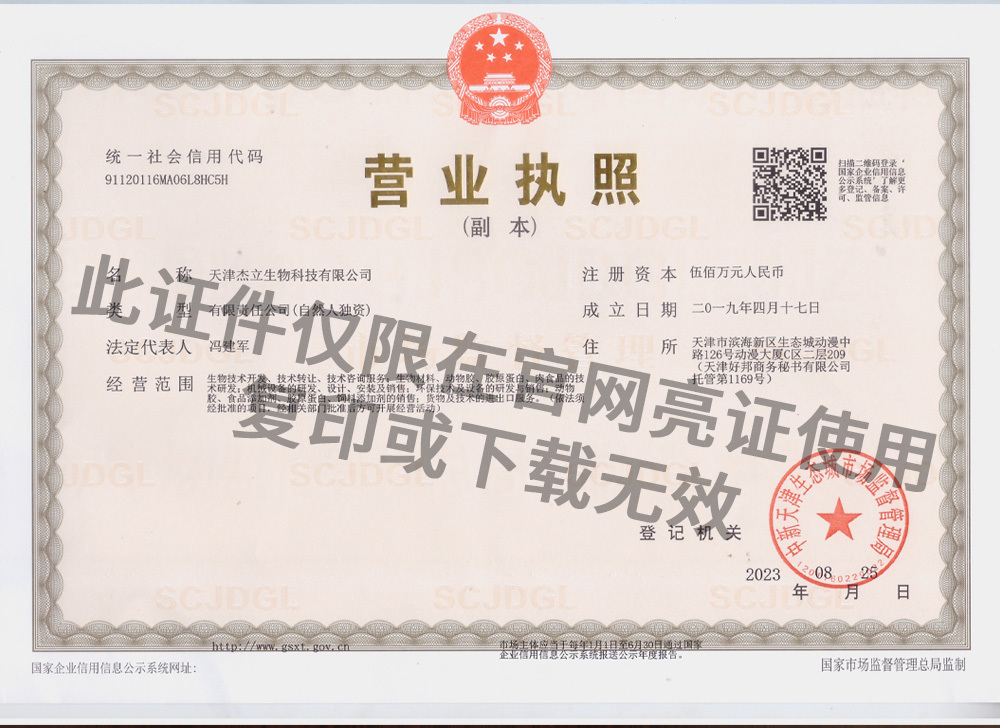
Tianjin Jieligel Biological Technology Co., Ltd | Powered by www.300.cn | Business license | SEO | Privacy Policy