We don’t produce gelatin
just deliver natural gelatin with high quality
27
2026
-
10
Bone Gelatin: 2026 Guide to Properties, Grades, Uses & Sourcing
Author:
📋 Article Overview
This guide focuses on bone gelatin as a functional hydrocolloid derived from animal bones. It explains production, key quality parameters, common uses, selection steps, safety, and sourcing transparency. Whether you are formulating confectionery, capsules, or technical products, the goal is to help you choose a grade that matches your process, not just the price per kilogram.
1. What Is Bone Gelatin and How Is It Made?
Bone gelatin is a protein obtained by partial hydrolysis of animal bones, commonly used as a gelling, thickening, and stabilizing agent. In practice, it is usually Type B gelatin, produced through alkaline or lime processing of ossein, the bone material remaining after minerals are removed.
Bone gelatin is defined as a soluble protein mixture extracted from collagen-rich bone tissue. During manufacturing, bones are first degreased and demineralized, then treated with dilute acid or alkali to open collagen structure, followed by hot-water extraction, filtration, concentration, sterilization, and drying. The final product appears as flakes, granules, or powder.
1.1 Bone Gelatin vs. Skin Gelatin
From our technical records at www.gelatintechnology.com, many buyers ask whether bone gelatin is interchangeable with skin gelatin. Functionally, both can form reversible gels, but bone gelatin often shows different viscosity, ionic profile, ash content, and flavor background. Bone-derived gelatin may be preferred when the formulation requires a specific melt profile, lower odor, or pharmaceutical-grade consistency.
1.2 Typical Production Steps
- Degrease and crush bones to remove fat and minimize odor.
- Demineralize bone material with dilute acid to produce ossein.
- Apply controlled lime or acid treatment to modify collagen fibers.
- Extract gelatin with multiple stages of warm water.
- Filter, concentrate, sterilize, and dry into powder or granules.
Industry consensus is that gelatin performance cannot be judged by Bloom strength alone; viscosity, pH, ash content, and microbial profile determine real production stability.
2. Key Properties That Determine Industrial Performance
Bone gelatin is selected by functional parameters, not simply by source. In practical testing, a higher Bloom gelatin may give a firmer gel, but if viscosity is too high, it can slow filling lines or create undesirable body in low-moisture systems.
2.1 Bloom Strength and Viscosity
Bloom strength measures gel firmness, commonly ranging from 100 g to 300 g. Viscosity reflects molecular weight distribution and is usually reported in mPa·s on a 6.67% solution. For gummies, a balanced 150–250 Bloom grade often works well. For capsule shells, higher Bloom and controlled viscosity are preferred.
2.2 pH, Ash, Moisture, and Gel Melt Behavior
Actual production issues often come from minor parameter shifts. pH affects cross-linking, flavor stability, and interaction with acids. Ash indicates mineral residue and can influence cloudiness or reactivity. Moisture above recommended levels reduces shelf stability. Gel melt point is especially important in confectionery and beverage applications where mouthfeel depends on rapid melting.
3. Common Application Areas in 2026
Bone gelatin remains widely used because it forms thermoreversible gels, improves texture, stabilizes emulsions, and binds water. From practical formulation work, the most consistent results come when the gelatin grade is matched to the processing temperature and final shelf-life requirements.
3.1 Food and Beverage Uses
Edible bone gelatin is used in gummy candies, marshmallows, yogurt, dairy desserts, meat products, and clarified beverages. It provides elastic texture, water binding, and foam stabilization. In practice, acid-sensitive products require pH-matched gelatin to avoid premature gelation or flavor changes.
3.2 Pharmaceutical and Technical Uses
Pharmaceutical bone gelatin is used in hard and soft capsules, tablet binders, and plasma-volume-related formulations where purity and batch consistency are critical. Technical grades may support photographic, cosmetic, or industrial applications. In all cases, the certificate of analysis must align with the intended regulatory category.
| Application Type | Typical Bloom Range | Key Priority | Common Grade Need |
|---|---|---|---|
| Confectionery | 150–250 g | Elastic gel, melt profile | Edible, low odor |
| Capsules | 200–300 g | Strength, solubility | Pharmaceutical grade |
| Dairy desserts | 100–200 g | Texture, water retention | Clean flavor |
| Technical uses | 100–250 g | Cost-performance, consistency | Industrial purity specs |
4. How to Choose the Right Bone Gelatin Grade
Selecting bone gelatin should be a process-based decision. In practice, suppliers and buyers often optimize price first, but later discover that small viscosity differences affect line speed or finished texture.
4.1 Step-by-Step Selection Method
- Define the target texture: brittle, elastic, chewy, creamy, or fast-melting.
- Choose Bloom strength based on desired gel firmness.
- Check viscosity to avoid processing problems during filling, coating, or drying.
- Verify pH, ash, moisture, and microbial limits against your product category.
- Request a pilot sample and test with your actual water, equipment, and temperature cycle.
4.2 What Bloom Strength Should I Use for Gummy Candies?
Most gummy producers use 150–250 Bloom bone gelatin. A lower Bloom gives softer, more meltaway texture; a higher Bloom gives chewier and more elastic gels. In practice, many recipes combine Bloom grades to balance cost, texture, and processing stability.
4.3 Is Bone Gelatin Suitable for Halal or Kosher Products?
Bone gelatin can be suitable only if the raw material source, slaughter method, processing line, and documentation meet the required certification. From sourcing experience, certification claims should always be verified with official certificates and supplier traceability records, not assumed from the word “edible.”
5. Quality Control, Safety, and Regulatory Considerations
Bone gelatin must be treated as a regulated ingredient. In food and pharmaceutical applications, safety depends on controlled raw material origin, processing hygiene, and batch release testing. Actual complaints usually come from inconsistent microbial counts, high ash, odor, or failed solubility.
5.1 Essential Certificate of Analysis Parameters
A reliable COA should include Bloom strength, viscosity, pH, moisture, ash, sulfite if relevant, heavy metals, mesh size, and microbial limits. For pharmaceutical grades, additional compliance documentation may be required. At www.gelatintechnology.com, we recommend buyers request sample COAs before negotiating bulk pricing.
5.2 Storage and Shelf-Life Stability
Bone gelatin should be stored in a cool, dry, sealed environment away from strong odors and moisture. If stored improperly, it can absorb water, develop clumps, or lose solubility. In practical terms, unopened bone gelatin typically has a long shelf life, but opened bags should be used quickly and protected from humidity.
6. Sustainability and Sourcing Transparency
Buyers in 2026 increasingly ask not only about price and Bloom, but also about raw material traceability, animal welfare, processing waste, and carbon footprint. Transparent sourcing is now part of ingredient trust, especially for export-oriented food and supplement brands.
6.1 What Buyers Should Ask Suppliers
From supplier-audit experience, useful questions include: Where do the bones come from? Are there approved origin documents? How is residual fat removed? Can the batch be traced back to raw material? Does the production line handle allergen or non-halal materials? These answers help reduce compliance and reputation risk.
6.2 Can Bone Gelatin Be Used in Vegetarian Formulations?
No. Bone gelatin is animal-derived collagen protein, so it is not suitable for vegetarian, vegan, or insect-free formulations where animal origin is excluded. In such products, pectin, agar, carrageenan, or other hydrocolloids may be considered, but the texture and melting behavior will not be identical.
Frequently Asked Questions
Q: What is bone gelatin made from?
A: Bone gelatin is made from collagen-rich animal bones, usually cattle bones, through degreasing, demineralization, controlled chemical treatment, hot-water extraction, filtration, concentration, and drying.
Q: Is bone gelatin vegan?
A: No. It is derived from animal bone collagen, so it is not vegan or vegetarian. Vegan formulations require non-animal gelling agents such as pectin, agar, or carrageenan.
Q: What is the most common Bloom strength for bone gelatin?
A: The most commonly used range is 150–250 Bloom. Lower Bloom grades are softer, while higher Bloom grades are firmer and more suitable for capsules or chewy confectionery.
Q: How does bone gelatin differ from collagen hydrolysate?
A: Bone gelatin forms a gel when cooled, while collagen hydrolysate is usually hydrolyzed further and remains soluble without gelling. They have different molecular weights and functional uses.
Q: What is the shelf life of bone gelatin?
A: When stored sealed in cool, dry conditions, bone gelatin can remain stable for an extended period. Opened material should be used promptly and protected from moisture, heat, and strong odors.
This article was generated by AI and is for reference only.
Related News
Products
Quick link
Get in touch
Whats App:+852 5950 6216
Tel:+86-18722466091
Fax:+86-22-26429421
E-mail:import-export@gelatintechnology.com
Add:Room 209, 2nd Floor, Area C, Animation Building, No. 126 Animation Middle Road, Eco-City, Binhai New Area, Tianjin

LINE


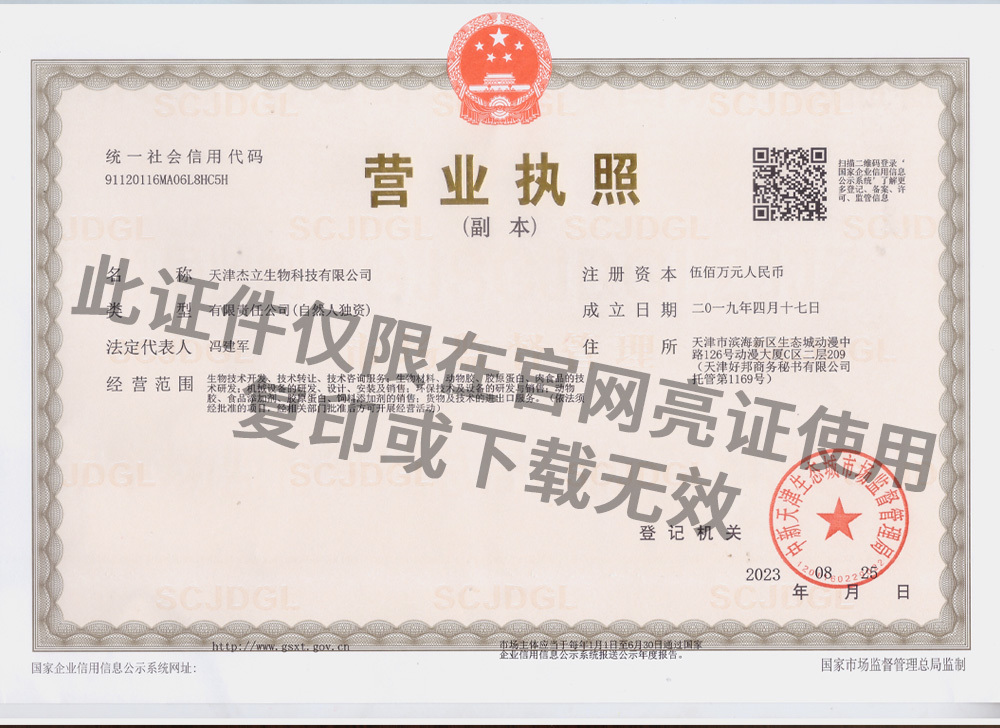
Tianjin Jieligel Biological Technology Co., Ltd | Powered by www.300.cn | Business license | SEO | Privacy Policy