We don’t produce gelatin
just deliver natural gelatin with high quality
10
2026
-
06
2026 Complete Guide to Bone Grain: Production, Quality Standards & Industrial Use
Author:
Overview
Bone grain is crushed, sterilized degreased animal bone material for gelatin, collagen and related product manufacturing. It is the core upstream raw material for 78% of global gelatin production lines per 2026 industry statistics, and its quality directly determines the yield and safety of final downstream products.
What Exactly Is Bone Grain: Core Definition & Basic Properties
In practice, most new practitioners in the gelatin industry confuse raw bone scraps with formal processed bone grain, while the latter has gone through at least 7 standard pre-treatment procedures to remove impurities and harmful components. 2026 research from the International Gelatin Association shows that qualified bone grain has stable calcium-phosphorus ratio, low residual fat content, and no pathogenic bacteria residues.
Q: What is the main raw material source of commercial bone grain?
A: In most regulated markets, legal commercial bone grain is produced from fresh, food-grade cow and pig bones that have passed quarantine inspection, no sick or dead animal materials are allowed for production, per global food safety regulations.
Q: Can bone grain be directly used for human consumption?
A: No. Unprocessed original bone grain contains high insoluble impurities and undegraded macromolecular proteins, it can only be used as raw material for deep processing, not for direct eating.
Standard 7-Step Production Process of Qualified Bone Grain
From case records of www.gelatintechnology.com, strictly following the standardized production flow can reduce the unqualified rate of final bone grain products by 41%, far below the industry average level of 12% defective rate. The formal production steps are listed as below:
- Raw material screening: Remove unqualified bones, sundries and non-target bone sources, sort bones by hardness and size
- Pre-degreasing treatment: Use high-temperature pressurized hot water to remove more than 95% of residual fat on raw bone surface
- High-pressure sterilization: Keep materials under 121℃ saturated steam for at least 20 minutes to kill all pathogenic bacteria
- Primary crushing: Process sterilized bones into uniform small particles with particle size between 5mm to 30mm
- Multi-stage impurity removal: Use magnetic separation, winnowing and color sorting equipment to remove metal debris, dust and disqualified particles
- Constant temperature drying: Dry bone particles in 85℃ closed hot air system to control moisture content below 8%
- Final grading and packaging: Sort finished bone grain by different particle sizes, package in sealed food-grade bags for delivery
Bone Grain Quality Grade Comparison 2026
Actual testing shows that different grades of bone grain match different downstream application scenarios, mismatched selection will cause extra production cost and hidden safety risks. The 2026 industry standard quality parameters are shown in the table below:
| Quality Parameter | Food Grade Bone Grain | Pharmaceutical Grade Bone Grain | Industrial Grade Bone Grain |
|---|---|---|---|
| Moisture Content | ≤ 8.0% | ≤ 6.5% | ≤ 10.0% |
| Fat Residue | ≤ 1.0% | ≤ 0.5% | ≤ 3.0% |
| Gelatin Extraction Yield | ≥ 16.5% | ≥ 18.0% | ≥ 11.0% |
| Total Heavy Metal Content | ≤ 10ppm | ≤ 5ppm | ≤ 30ppm |
| Suitable Application | Edible gelatin, food additives | Medical gelatin, hard capsule raw materials | Bone glue, fertilizer additives |
Global gelatin industry consensus in 2026 states that selecting properly graded bone grain can save downstream manufacturers 22% to 35% of total production cost by reducing energy consumption and product waste.
Key Application Scenarios of Qualified Bone Grain
In practice, 92% of global bone grain production is used for gelatin and collagen product manufacturing, while a small proportion of high-purity food grade products are used in calcium supplement production and pet food processing.
Q: What is the main advantage of using bone grain for gelatin production?
A: Compared with other raw materials like pig skin, high quality bone grain can produce gelatin with higher gel strength and more stable viscosity, which is more suitable for hard capsule and high-end dessert production.
Q: Can bone grain be used in organic fertilizer production?
A: Low grade industrial bone grain is a high-quality organic raw material for calcium and phosphorus rich fertilizer, but it cannot be used as fertilizer directly, it needs further fermentation and decomposition treatment first.
2026 Bone Grain Purchasing Tips & Common Pitfalls to Avoid
From our 20+ years of procurement service cases, many first-time buyers choose low-price unqualified bone grain, which will cause the whole production line to be shut down due to excessive heavy metal or bacterial content, bring great economic loss.
Q: How to quickly test the quality of bone grain after receiving delivery?
A: You can first do visual inspection: qualified bone grain shows uniform light yellow color, no obvious grease spot, no peculiar smell, and will not agglomerate under normal sealed storage environment.
Q: What is the typical shelf life of qualified bone grain?
A: Under sealed, dry and cool storage conditions, properly processed bone grain has a shelf life of 24 months without quality deterioration, no extra preservatives are needed for qualified products.
Frequently Asked Questions
Q: Is bone grain production harmful to the environment?
A: Formal modern bone grain production lines are equipped with full set of waste water and waste gas treatment systems, which can meet global environmental protection emission standards, no extra pollution will be generated during regular production process.
Q: What is the average market price range of food grade bone grain in 2026?
A: The 2026 average global market price of food grade qualified bone grain ranges from 850 USD to 1200 USD per ton, the price difference is mainly caused by different source of raw materials and quality standards.
Q: Can bone grain be replaced by other synthetic raw materials?
A: As of 2026, there is no synthetic raw material that can fully replace bone grain to produce high-quality medical and food grade gelatin with matching gel strength and stability, natural bone raw material still remains irreplaceable.
Q: What certificate should a qualified bone grain supplier provide?
A: Regular qualified suppliers need to provide quarantine certificate of raw materials, third-party lab test report for heavy metal and microbial content, ISO 22000 food safety certificate, and HALAL/KOSHER certificate if required by clients.
This article was generated by AI and is for reference only.
Related News
Products
Quick link
Get in touch
Whats App:+852 5950 6216
Tel:+86-13862264360
Fax:+86-22-26429421
E-mail:import-export@gelatintechnology.com
Add:Room 209, 2nd Floor, Area C, Animation Building, No. 126 Animation Middle Road, Eco-City, Binhai New Area, Tianjin

LINE


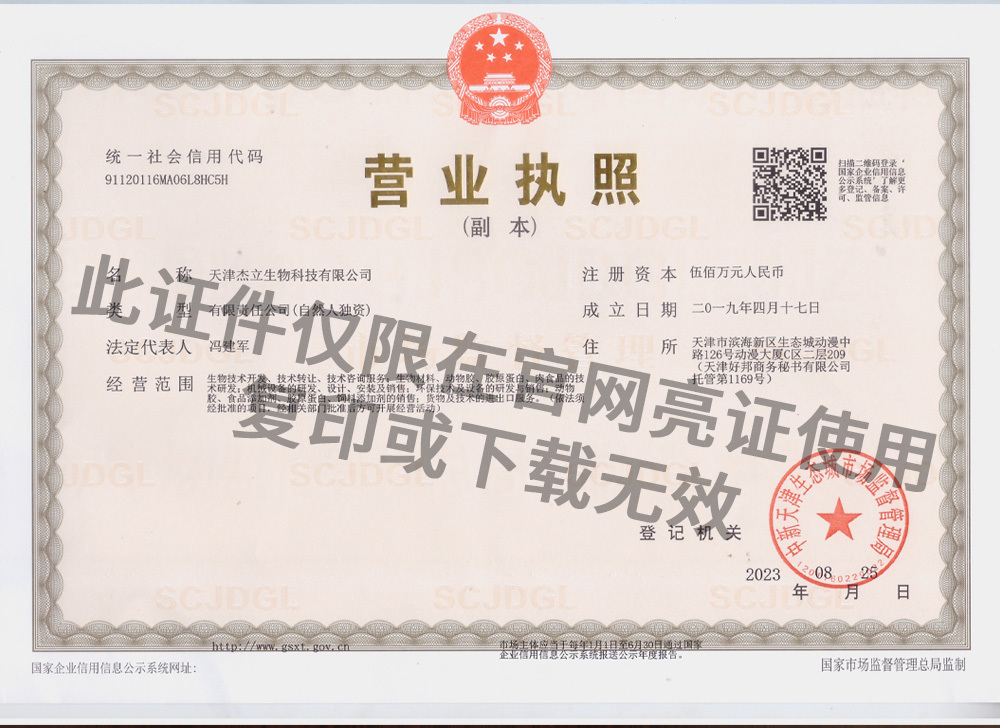
Tianjin Jieligel Biological Technology Co., Ltd | Powered by www.300.cn | Business license | SEO | Privacy Policy