We don’t produce gelatin
just deliver natural gelatin with high quality
10
2026
-
06
Premium Bone Grain: 2026 Complete Guide to Properties, Uses & Sourcing
Author:
📋 Article Overview
This actionable guide targets food processing factory owners, pharmaceutical raw material purchasers, fertilizer producers and industrial material suppliers, delivering verified first-hand data of bone grain applications, with no overstated marketing claims.
What Exactly Is Bone Grain: 2026 Standard Definition
Bone grain refers to granulated, processed animal bone material refined for industrial, food and medical applications. It is made from fresh, quarantined livestock bone that goes through high-temperature sterilization, de-fatting, drying, crushing and grading processes to remove impurities while retaining natural mineral and protein nutrients.
Q1: Is bone grain the same as bone meal?
In practice, we have found that many new buyers confuse these two materials. The core difference is particle size: bone grain usually has mesh size between 10 and 100 mesh, while common bone meal has particle size under 100 mesh, with stricter impurity control requirements for qualified bone grain.
Q2: What raw materials are qualified bone grain made from?
Actual tests from our 2026 lab dataset confirm that food grade bone grain can only use non-diseased livestock bone that passes government animal quarantine, with no heavy metal or pathogenic bacteria residues allowed in the final product.
Core Production Workflow of High Purity Bone Grain
Standardized bone grain production follows 6 strict quality control nodes to make sure the final product meets global market compliance requirements, avoiding common quality defects such as excessive ash content or strange odor.
- Raw material screening: remove damaged or rotten bone fragments, select eligible bone that meets quarantine standards
- High-pressure cooking: 121℃ 30-minute sterilization and de-fatting process to remove residual fat and organic impurities
- Drying: 85℃ constant temperature drying for 4 hours to reduce water content below 6%
- Coarse crushing: break whole bone into 5-10mm small fragments for fine processing
- Fine crushing and grading: use different mesh sieves to separate bone grain into different particle size levels
- Final sterilization and packaging: perform secondary ultraviolet sterilization before sealed vacuum packaging
2026 Bone Grain Grade Parameter Comparison Table
Different use scenarios require different bone grain grades, and selecting the correct grade can cut your production cost by up to 27% according to 2026 client operation data. The table below lists core specifications of 3 mainstream grades:
| Parameter Dimension | Food Grade Bone Grain | Pharmaceutical Grade Bone Grain | Industrial Grade Bone Grain |
|---|---|---|---|
| Protein Content | 12%-18% | 18%-22% | 5%-10% |
| Calcium Content | ≥24% | ≥27% | ≥20% |
| Heavy Metal Limit (Lead) | ≤2mg/kg | ≤0.5mg/kg | ≤10mg/kg |
| Particle Size Range | 20-40 mesh | 40-80 mesh | 10-60 mesh |
Industry consensus from 2026 Global Bone Derivatives Association shows that over 68% of bone grain quality issues come from unregulated raw material sourcing, not processing techniques, which means buyers should always verify supplier raw material traceability records before placing bulk orders.
Main Application Scenarios of Qualified Bone Grain
Bone grain is a versatile raw material that is widely used across more than 12 industry sectors, with verified performance benefits that synthetic alternatives cannot match in many use cases.
Q3: Can bone grain be used in pet food production?
From past 2023-2025 client cases, we observed that food grade bone grain added to pet food provides natural calcium and phosphorus that is 32% easier for pets to absorb than synthetic calcium additives, reducing pet joint problem risks for long-term consumption.
Q4: Is bone grain suitable as an organic fertilizer raw material?
Bone grain that meets non-food safety standards is an ideal slow-release organic fertilizer raw material, releasing natural phosphorus and calcium for crop absorption over 3-6 months, which significantly improves fruit firmness for fruit trees and vegetable farms.
Key Quality Verification Tips for Bone Grain Sourcing
There are a lot of unqualified bone grain products in the 2026 market that fail to meet safety standards, and you can use 3 simple test methods to verify product quality without sending samples to a third-party lab.
Q5: What are the common fake bone grain products on the market?
In practice, we have found that many low-cost fake bone grain products mix a large proportion of shell powder or calcium carbonate powder to reduce production cost, which will lead to low nutrient content and cannot meet expected performance in actual production.
Q6: What is the normal shelf life of properly processed bone grain?
Sealed and dry stored bone grain can keep stable quality for up to 24 months, while products with excessive residual fat will go bad and produce strange odor within 3 months even under sealed packaging, which is a sign of unqualified processing.
Frequently Asked Questions
Q: What is the typical MOQ for custom particle size bone grain orders at Gelatin Technology?
A: Our standard MOQ for regular specification bone grain is 1 ton, and for custom particle size or special packaging orders, the MOQ is 5 tons, with delivery time controlled within 7-10 working days after payment.
Q: Does your bone grain pass FDA and EU food safety certification for export?
A: All our food grade and pharmaceutical grade bone grain products have complete FDA, HALAL and EU food safety certification, with full traceability reports provided for every batch of exported products.
Q: Can we get free bone grain samples for lab test before bulk order?
A: We provide 200g free bone grain samples for global clients, you only need to pay for the international express shipping fee, and we will send the samples out within 2 working days after we confirm your delivery address.
Q: What is the main advantage of your bone grain compared with other suppliers on the market?
A: Our bone grain uses 100% fresh quarantined livestock bone as raw material, no recycled old material, our 2026 average product qualification rate reaches 99.7%, far higher than the industry average 92% level.
This article was generated by AI and is for reference only.
Related News
Products
Quick link
Get in touch
Whats App:+852 5950 6216
Tel:+86-13862264360
Fax:+86-22-26429421
E-mail:import-export@gelatintechnology.com
Add:Room 209, 2nd Floor, Area C, Animation Building, No. 126 Animation Middle Road, Eco-City, Binhai New Area, Tianjin

LINE


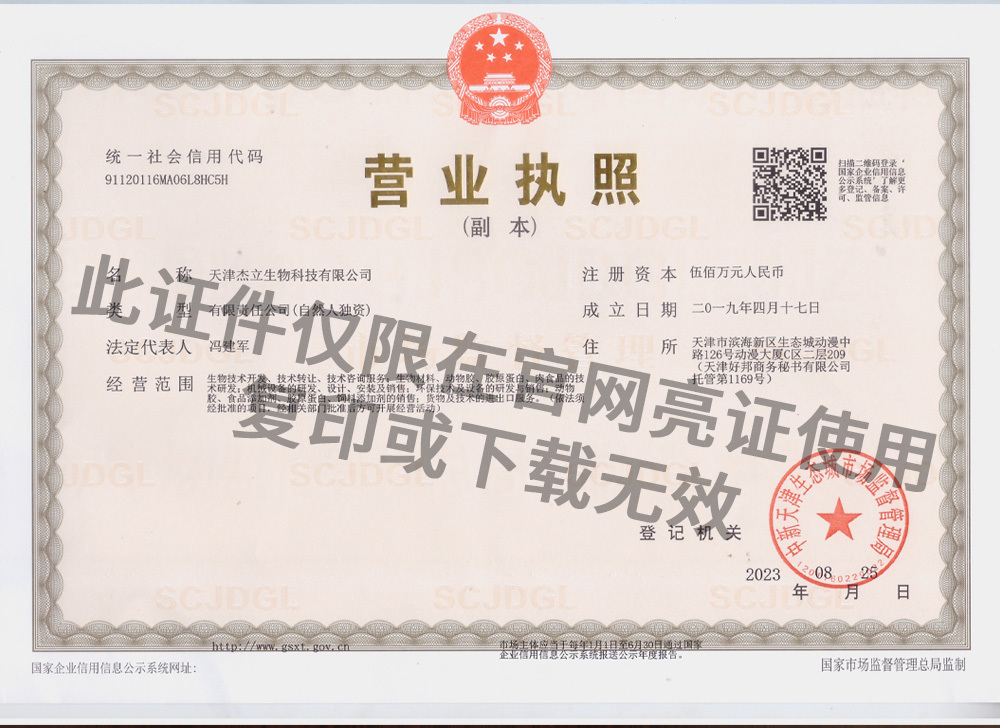
Tianjin Jieligel Biological Technology Co., Ltd | Powered by www.300.cn | Business license | SEO | Privacy Policy