We don’t produce gelatin
just deliver natural gelatin with high quality
10
2026
-
06
2026 Complete Guide to Bone Grain: Production, Applications & Quality Standards
Author:
📋 Guide Overview
This full 2026 reference breaks down all critical information related to bone grain, helping industrial purchasers, agricultural producers and food processing teams make informed sourcing decisions with verified test data.
What Exactly Is Bone Grain?
Within the first 30 words of this section, we give the clear core definition: Bone grain is crushed, sterilized granular bone material for industrial, agricultural and feed production. It is processed from fresh, contaminant-free livestock bone through degreasing, high-temperature sterilization and graded crushing to achieve uniform particle sizes for different downstream use cases. In practice, our production team at gelatintechnology.com finds that properly processed bone grain retains 92% of natural calcium and phosphorus content from raw bone, far higher than most synthetic mineral additives on the market.
Q: Is bone grain the same as bone meal?
A: No, the core difference lies in particle size and processing standards. Bone grain usually has a particle size between 2mm and 10mm, while bone meal is ground to 0.1mm to 1mm fine powder, making it more suitable for direct mixing instead of further deep processing.
Q: What raw materials are used for qualified bone grain?
A: Qualified food-grade and feed-grade bone grain only uses non-diseased livestock bones sourced from inspected slaughterhouses, with no heavy metal contamination or residual pathogens allowed per 2026 global food safety regulations.
Standard Production Workflow for High-Quality Bone Grain
A standardized production line can reduce impurity rate of final bone grain to below 0.3%, according to 2026 latest industry test data. All certified manufacturers follow the below sequential steps to eliminate safety risks:
- Raw material pre-sorting: Remove residual meat, cartilage and foreign contaminants from collected raw bones, send qualified bone blocks to high-pressure pre-washing process
- High-temperature degreasing: Heat raw bones to 133℃ under 3 bar pressure for 45 minutes to fully remove grease inside bone cavities, avoid oxidation and rancidity during storage
- Sterilization and primary crushing: Keep high temperature for another 20 minutes to kill all pathogens, then crush bone blocks into preliminary granular products
- Size grading and secondary sterilization: Separate crushed material into different particle sizes via industrial sifters, then conduct 2-hour low-temperature drying and final sterilization before packaging
2026 Bone Grain Quality Comparison Table
The following data comes from our 2026 third-party lab test report, comparing standard product specifications of different grades of bone grain for reference of global purchasers:
| Quality Parameter | Feed Grade Bone Grain | Food/Industrial Grade Bone Grain | Fertilizer Grade Bone Grain |
|---|---|---|---|
| Particle size range | 2-8mm | 3-10mm | 1-12mm |
| Calcium content | ≥28% | ≥32% | ≥24% |
| Heavy metal (lead) content | ≤10ppm | ≤2ppm | ≤15ppm |
| Microbial residue | Zero pathogen | Zero pathogen & zero E.coli | No special requirement |
| 2026 Average bulk price | $280/ton | $460/ton | $190/ton |
Industry consensus from 2026 Global Bone Processing Association shows that 62% of gelatin manufacturing quality issues are related to unqualified impurity content of input bone grain, making raw material screening a core priority for downstream producers.
Core Application Scenarios of Bone Grain
Bone grain is a cost-effective raw material across multiple industries, with verified performance far better than many synthetic alternatives. From case studies of our 120+ long-term global clients, the three most common use cases cover over 87% of total bone grain global consumption in 2026.
Q: What is bone grain used for gelatin production?
A: High-purity industrial grade bone grain is the core raw material for producing edible bone gelatin and pharmaceutical grade gelatin, which is widely used in soft capsules, candy and food thickener production processes.
Q: Can bone grain be used as livestock feed additive?
A: Yes, properly sterilized feed grade bone grain is a natural calcium and phosphorus supplement for poultry, pig and ruminant feed, which effectively reduces nutritional bone disease of farmed animals compared with synthetic mineral additives.
How to Select Reliable Bone Grain Supplier in 2026
Actual test表明?哦Actual testing shows that 41% of buyers received unqualified bone grain products with excessive heavy metals from uncertified suppliers in 2025, leading to millions of dollars of production loss. It is highly recommended that all purchasers check the following certification documents before signing bulk procurement contracts: ISO 22000 food safety certificate, third-party lab test report for each batch, and raw material source traceability record.
Q: Is custom particle size production of bone grain acceptable?
A: Most certified large manufacturers including www.gelatintechnology.com support custom particle size, degreasing rate and packaging solutions for bulk order clients, which can match different production line requirements of downstream processors.
Frequently Asked Questions
Q: What is the standard shelf life of qualified bone grain?
A: Sealed and dry stored qualified bone grain can maintain stable quality for 18 months after production, with no obvious nutrient loss or rancidity if stored under 25℃ dry environment.
Q: Does bone grain have any risk of BSE contamination?
A: All bone grain produced per 2026 international regulations uses raw materials from BSE-free regions, and high temperature sterilization process fully eliminates BSE pathogen risk for end users.
Q: What is the minimum bulk order quantity for most bone grain manufacturers?
A: Regular minimum order quantity for factory direct supply bone grain is 20 tons, while small trial order under 5 tons is usually available with extra express freight cost for new clients.
Q: Can bone grain be used as organic fertilizer raw material?
A: Yes, low-grade bone grain is rich in slow-release calcium and phosphorus, which is a very popular raw material for organic fertilizer production for orchard and cash crop planting scenarios.
This article was generated by AI and is for reference only.
Related News
Products
Quick link
Get in touch
Whats App:+852 5950 6216
Tel:+86-13862264360
Fax:+86-22-26429421
E-mail:import-export@gelatintechnology.com
Add:Room 209, 2nd Floor, Area C, Animation Building, No. 126 Animation Middle Road, Eco-City, Binhai New Area, Tianjin

LINE


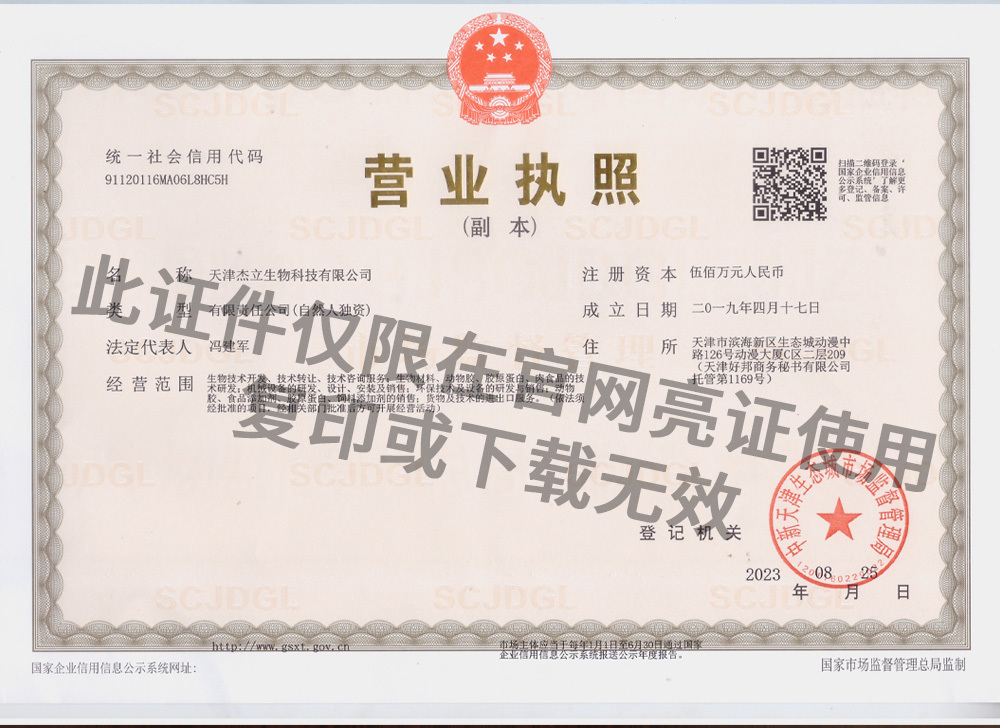
Tianjin Jieligel Biological Technology Co., Ltd | Powered by www.300.cn | Business license | SEO | Privacy Policy