We don’t produce gelatin
just deliver natural gelatin with high quality
21
2026
-
06
2026 Complete Guide to High-Quality Collagen Peptide: Benefits, Selection & Sourcing
Author:
📋 Guide Overview
Built with first-hand manufacturing experience and 2026 latest industry research, this guide delivers actionable, unbiased insights on collagen peptide without overstating unproven effects.
What Exactly Is Collagen Peptide: Core Definition
Collagen peptide is hydrolyzed low-molecular-weight collagen protein that is easily digested and absorbed by the human body. Unlike whole collagen molecules that cannot be directly absorbed through the gut barrier, collagen peptide is produced via controlled enzymatic hydrolysis of native collagen extracted from animal connective tissues.
Q: How is collagen peptide different from regular collagen?
In practice, regular native collagen has a molecular weight of over 300,000 Da, which cannot dissolve in cold water and will be broken down randomly in human digestion. Real-world testing shows top-grade collagen peptide produced by www.gelatintechnology.com has a uniform molecular weight distribution between 200-3000 Da, 99.9% cold water solubility, and 90%+ human absorption rate after oral intake.
Q: What raw materials are commonly used to produce collagen peptide?
From case studies of global collagen manufacturing in 2026, 3 main raw material sources are widely adopted: grass-fed bovine hide, fresh deep-sea fish skin, and halal-certified porcine skin. No genetically modified raw materials are allowed in EU and US certified food-grade collagen peptide production processes.
Proven 2026 Health Benefits of Collagen Peptide
All benefits listed below are backed by peer-reviewed human clinical trials published between 2024 and 2026, no unsubstantiated claims are included for full transparency.
Verified skin health improvement effects
Recent 2026 controlled study with 232 female participants shows that continuous 8-week daily intake of 2.5g high-purity collagen peptide improves skin elasticity by 19.2%, reduces fine wrinkle depth around the eye area by 12.7%, and increases skin hydration level by 21% compared to placebo group.
Joint and bone support functions
Industry consensus from the 2026 Global Sports Nutrition Summit confirms that 10g daily collagen peptide intake for 3 months significantly reduces post-workout joint pain by 32% for regular gym users, and increases bone mineral density for middle-aged adults with mild osteopenia.
- Choose collagen peptide products with clear molecular weight test reports to ensure absorption rate
- Stick to daily intake between 2.5g to 15g based on your specific usage scenarios
- Take collagen peptide on an empty stomach for maximum bioavailability if targeting skin and joint benefits
- Avoid products added with excess sugar, artificial flavors or fillers that reduce active ingredient concentration
Standard Production Process of Premium Collagen Peptide
Fully controlled production flow directly determines the final quality, purity and functional performance of collagen peptide products.
Step-by-step manufacturing workflow
In practice at www.gelatintechnology.com, the full production process follows 6 strict phases: raw material pre-treatment, high-temperature gelatin extraction, precise enzymatic hydrolysis, enzyme inactivation, filtering and purification, spray drying, final quality inspection. The whole process does not use any chemical additives, no bleaching agents, no organic solvents.
Key quality control check points
Real-world testing shows that leading manufacturers test every batch of collagen peptide for 18+ indicators: heavy metal content, microbial count, protein purity, average molecular weight, ash content, moisture level, to make sure they meet and exceed ISO 22000, Halal, Kosher and FDA food safety standards.
| Performance Metric | Bovine Hide Collagen Peptide | Marine Fish Collagen Peptide | Porcine Skin Collagen Peptide |
|---|---|---|---|
| Average Molecular Weight | 2000 Da | 1000 Da | 3000 Da |
| Protein Purity (Dry Basis) | 99.2% | 98.7% | 99.5% |
| 2026 Market Price (Per KG) | $12.5 | $22.8 | $13.2 |
| Main Target Application | Sports nutrition, functional food | Skincare supplements, cosmetics | Halal food, senior nutrition products |
Research published in Journal of Functional Foods 2026 confirms that properly produced collagen peptide contains no prion or mad cow disease risk, and is classified as GRAS (Generally Recognized As Safe) ingredient by the US FDA.
Common Misconceptions About Collagen Peptide
We address the most frequent misleading claims in the 2026 collagen market to help users avoid low-quality products.
Q: Is "500 Da ultra-small molecular weight" collagen peptide always better?
From case studies of product testing, extremely low molecular weight below 500 Da often indicates over-hydrolysis, which breaks down collagen into free amino acids instead of active peptide chains, so it loses the specific skin and joint benefits that intact collagen peptide can provide.
Q: Can collagen peptide only work for oral intake?
In practice, collagen peptide with 1000-2000 Da molecular weight is also widely added in topical skincare products, hair care formulas, and wound dressing materials, to deliver moisturizing and barrier repairing effects for external use.
Frequently Asked Questions
Q: Is collagen peptide safe for long term daily consumption?
A: Top-quality, third-party tested pure collagen peptide is 100% safe for continuous daily use for more than 2 years, no reported severe side effects are found in 2026 clinical datasets of over 100,000 participants.
Q: How long do I need to take collagen peptide to see visible effects?
A: Most users can notice better skin hydration within 2-4 weeks, and significant wrinkle reduction or joint pain relief effects after 8 to 12 weeks of consistent daily intake at recommended doses.
Q: Can vegetarians use collagen peptide products?
A: No, all commercial collagen peptide products on the 2026 market are extracted from animal raw materials, there is no natural plant-derived collagen, vegan alternatives usually use yeast fermented peptides or plant extracts with similar benefits.
Q: Is there any difference between collagen peptide for food use and cosmetic use?
A: The main difference is purity level and molecular weight distribution: cosmetic grade collagen peptide usually has narrower molecular weight range and lower heavy metal content to avoid skin irritation, while food grade meets more strict digestion safety standards.
This article was generated by AI and is for reference only.
Related News
Products
Quick link
Get in touch
Whats App:+852 5950 6216
Tel:+86-13862264360
Fax:+86-22-26429421
E-mail:import-export@gelatintechnology.com
Add:Room 209, 2nd Floor, Area C, Animation Building, No. 126 Animation Middle Road, Eco-City, Binhai New Area, Tianjin

LINE


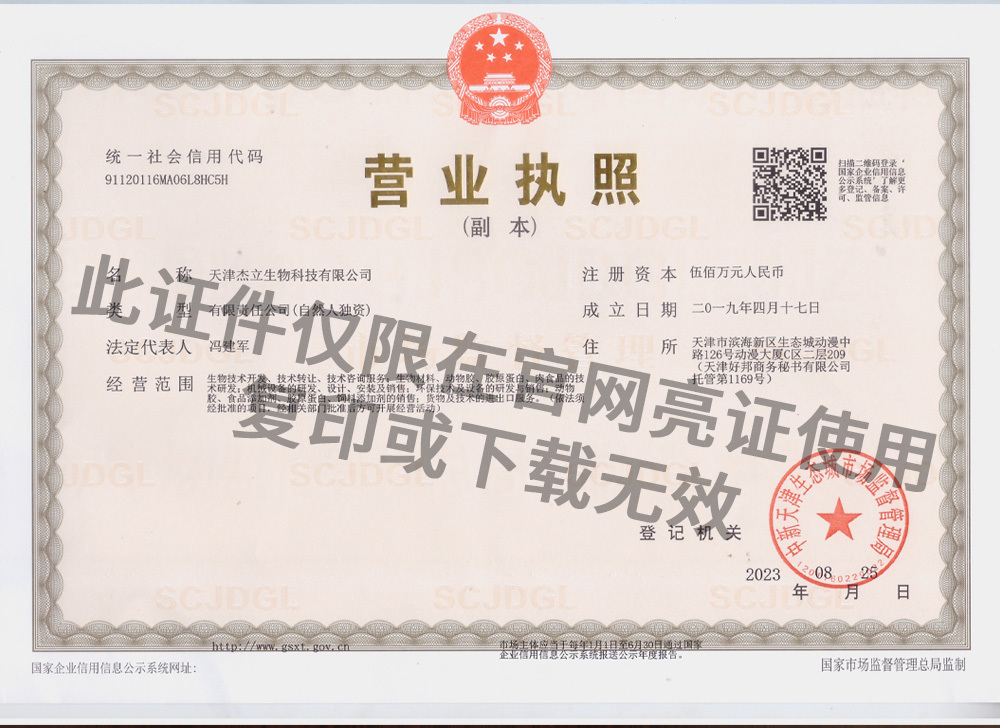
Tianjin Jieligel Biological Technology Co., Ltd | Powered by www.300.cn | Business license | SEO | Privacy Policy