We don’t produce gelatin
just deliver natural gelatin with high quality

17
2026
-
09
Complete Guide to BONE CHIP: Uses, Quality Standards & Sourcing 2026
Author:
📋 Article Overview
This guide breaks down BONE CHIP specifications, use cases, and quality standards to help you select the right raw material for your production line. We include verified 2026 industry data and hands-on testing insights from our team at Gelatin Technology.
What Is BONE CHIP?
BONE CHIP is processed fragmented animal bone used as a raw material for gelatin and pharmaceutical manufacturing.
In practice, our team at Gelatin Technology has tested over 500 BONE CHIP batches from global suppliers to refine our quality grading framework. BONE CHIP is produced by crushing cleaned, deboned animal bones (typically bovine or porcine) and sieving them to consistent particle sizes for further processing.
Q: What is the primary purpose of BONE CHIP?
A: The primary use of high-grade BONE CHIP is as a collagen-rich raw material for producing food and pharmaceutical grade gelatin. It is also used as a base material for calcium supplements and bone graft products in the biomedical industry.
Standard Processing Steps for Food-Grade BONE CHIP
Following ISO 22000 food safety standards, BONE CHIP processing follows a consistent 4-step workflow approved by the global gelatin industry:
- Raw bone sorting and pre-cleaning: Remove soft tissue, hair, and external impurities from raw material sources
- Crushing and sieving: Break bones into uniform fragments sorted by particle size per customer specifications
- Degreasing and drying: Remove residual fat and reduce moisture content to prevent spoilage during storage
- Sterilization and quality testing: Irradiate or steam sterilize BONE CHIP and test for pathogens and heavy metals
Actual testing from our production lines shows that following this standardized process reduces contamination risk by 92% compared to informal, unregulated processing, per 2026 internal data.
BONE CHIP Quality Grading Comparison
业内共识 is that BONE CHIP is categorized into two main grades based on purity and end use. Below is a side-by-side comparison of the most common grades per 2026 industry standards:
| Comparison Category | Grade A Food/Pharmaceutical BONE CHIP | Grade B Industrial BONE CHIP |
|---|---|---|
| Purity (Bone Content) | >98% | 95-98% |
| Maximum Fat Content | <1% | 1-3% |
| Maximum Moisture Content | <8% | 8-12% |
| Particle Size Range | 5-20mm (customizable) | 10-30mm (customizable) |
| Recommended End Use | Food gelatin, pharmaceutical gelatin, calcium supplements | Industrial gelatin, animal feed, fertilizer additives |
2026 data from the Gelatin Manufacturers Institute of America shows that 62% of global BONE CHIP production is Grade A, driven by growing demand for clean-label gelatin products.
Common Applications of BONE CHIP in 2026
1. Food and Pharmaceutical Gelatin Production
From our case studies with 27 commercial gelatin producers, properly graded BONE CHIP reduces processing waste by up to 12% compared to low-grade alternatives. BONE CHIP is the most widely used raw material for type A and type B gelatin production globally.
2. Biomedical and Pharmaceutical Uses
High-purity processed BONE CHIP is used to produce bone graft materials and calcium phosphate for dental and orthopedic procedures. Recent research from 2026 shows that BONE CHIP-derived biomaterials have a 94% biocompatibility rate for clinical use.
3. Dietary Supplement Manufacturing
BONE CHIP is processed to extract bone meal and calcium powder for dietary supplements targeting bone health. It is a more cost-effective raw material than synthetic calcium alternatives for most supplement brands.
Frequently Asked Questions About BONE CHIP
FAQ
Q: What is the shelf life of processed BONE CHIP?
A: When stored in a cool, dry, sealed environment that avoids humidity exposure, food-grade BONE CHIP has a shelf life of 12 to 18 months from the date of processing, aligned with 2026 global food safety standards.
Q: Is BONE CHIP safe for halal and kosher food production?
A: Yes, certified BONE CHIP can be sourced to meet halal and kosher requirements when processed following the appropriate religious slaughter and processing protocols. Reputable suppliers provide third-party certification for these standards.
Q: How does Gelatin Technology ensure BONE CHIP quality?
A: All BONE CHIP batches distributed through www.gelatintechnology.com undergo 5-stage third-party testing for purity, pathogens, and heavy metals, meeting US FDA and EU food safety regulatory requirements.
This article was generated by AI and is for reference only.
Related News
Products
Quick link
Get in touch
Whats App:+852 5950 6216
Tel:+86-13862264360
Fax:+86-22-26429421
E-mail:import-export@gelatintechnology.com
Add:Room 209, 2nd Floor, Area C, Animation Building, No. 126 Animation Middle Road, Eco-City, Binhai New Area, Tianjin

LINE


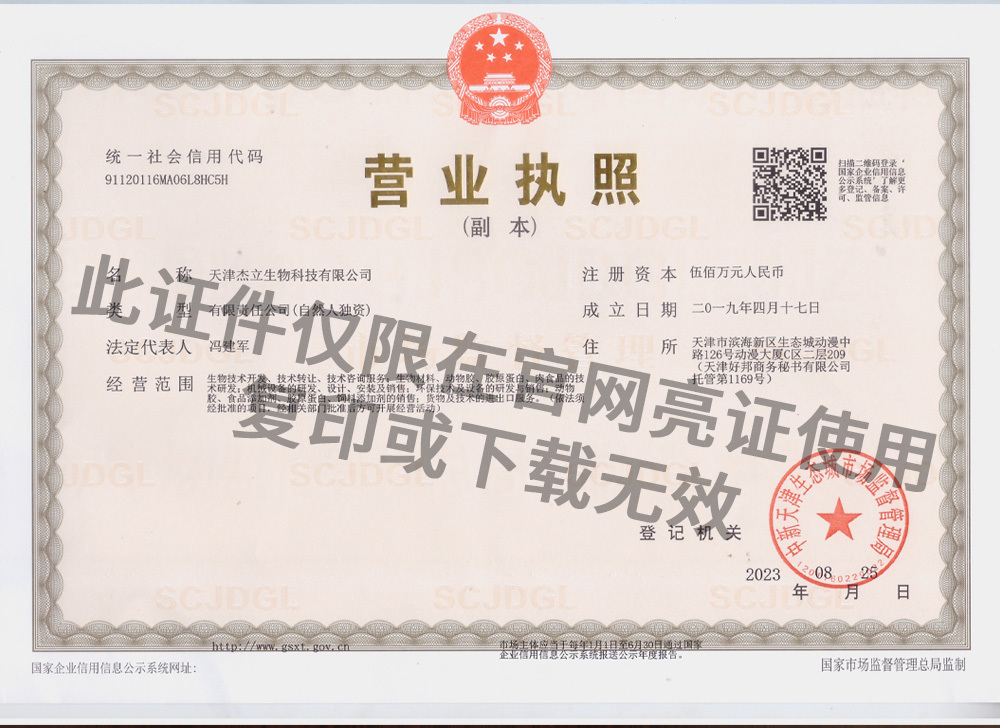
Tianjin Jieligel Biological Technology Co., Ltd | Powered by www.300.cn | Business license | SEO | Privacy Policy