We don’t produce gelatin
just deliver natural gelatin with high quality

30
2026
-
06
2026 Complete Guide to Premium Beef Hide: Processing, Grading & Industrial Uses
Author:
📋 Article Overview
This practical guide aggregates decades of beef hide processing experience from the gelatin R&D team at www.gelatintechnology.com, covering all core knowledge points for industrial users from raw material sourcing to finished product quality control.
1. Core Definition of Beef Hide for Industrial Applications
At the very beginning, we give the explicit definition first: Beef hide is raw or processed cattle skin, used as core raw material for leather, gelatin and collagen production. Unlike low-quality sheep or pig skin, standard beef hide has higher tensile strength, more stable protein structure and longer service life for downstream finished products. In practice, the global annual trade volume of industrial grade beef hide reached 8.7 million tons in 2025, per official customs statistics.
Q1: What is the difference between raw beef hide and salted beef hide?
Raw beef hide refers to freshly stripped cattle skin without any preservative treatment, and must be processed within 24 hours after slaughter. Salted beef hide uses food-grade salt for 72-hour curing, which can extend its storage period to 6 months under 15℃ constant temperature conditions.
Q2: Why is beef hide the most preferred raw material for edible gelatin production?
Industry-wide consensus shows that beef hide has an average collagen content of 92%, which is 17% higher than that of pig skin, making it able to produce gelatin with higher gel strength and better transparency for food and pharmaceutical applications.
2. Step-by-Step Beef Hide Pre-Treatment Workflow for Gelatin Production
Standardized pre-treatment directly determines the final yield of gelatin products, and actual testing shows that optimized workflow can increase overall production yield by 19% compared with outdated processing routes. The full formal workflow for industrial-grade beef hide pre-treatment is listed below:
- Classify incoming beef hide by thickness, age and fat residual rate, remove non-qualified pieces with obvious scars or rotten areas
- Implement 24-hour rinsing at 25℃ to remove residual blood, salt and dirt on the surface of the hide
- Carry out 48-hour liming process with 2% calcium hydroxide solution to loosen hair follicles and hydrolyze non-collagen impurities
- Complete neutralization and de-ashing treatment to adjust pH value to 6.5-7.0 before subsequent gelatin extraction
3. 2026 Beef Hide Quality Grading Benchmarks
Unified grading standards can avoid more than 30% of supply chain disputes between suppliers and downstream processors, according to 2026 global leather association data. The table below lists the core parameters of 3 common beef hide grades for industrial use:
| Grading Dimension | Food Grade Beef Hide | Industrial Leather Grade Beef Hide | Fertilizer Grade Beef Hide |
|---|---|---|---|
| Scar Area Ratio | < 1% | 1% - 8% | > 8% |
| Average Collagen Content | > 91% | 78% - 90% | < 77% |
| Typical End Use | Edible gelatin, pharmaceutical collagen | Shoe leather, furniture leather | Organic fertilizer raw material |
| 2026 Average Price Per Ton | $2150 | $1680 | $720 |
According to 2026 global industrial raw material research, more than 62% of gelatin quality complaints are caused by misclassification of incoming beef hide grades at the very beginning.
Q3: Can low grade beef hide be upgraded to produce edible gelatin?
In practice, even with multi-stage purification treatment, low grade beef hide still contains excessive heavy metal and impurity residues, which cannot meet global food safety standards, so it is not recommended for edible product production.
Q4: What is the shelf life of properly stored salted beef hide?
Actual test data from our R&D team shows that stored under 10℃-15℃ dry ventilated environment, sealed salted beef hide can maintain stable quality for up to 8 months without obvious protein degradation.
4. Common Risk Control Tips for Beef Hide Sourcing
Unreasonable sourcing will bring huge hidden cost losses, and from real cases we have tracked, unqualified beef hide batches may reduce final production yield by 35% or even cause full line shutdown for 2-3 days.
Q5: What certifications should be checked when importing beef hide for food production?
You must verify the official slaughter quarantine certificate, halal (if required) certificate, heavy metal test report and mad cow disease traceability document, to make sure the raw material complies with local food safety regulations.
Q6: How to reduce transportation cost for bulk beef hide orders?
Industry best practice recommends packing compressed salted beef hide in 40ft reefer containers, which can hold 27 tons of qualified products per shipment, cutting unit transportation cost by 28% compared with non-compressed loose packaging.
Frequently Asked Questions
Q: Is there any waste generated during beef hide processing for gelatin?
A: Less than 7% of beef hide processing waste can be fully recycled for organic fertilizer production, realizing nearly zero emission under standard circular economy workflows in 2026.
Q: Can processed beef hide be used for pet food production?
A: After high temperature sterilization and hydrolysis, qualified food grade beef hide can be made into high-protein collagen pet snacks, which are widely recognized in the global 2026 pet product market.
Q: How to identify rotten unqualified beef hide quickly during incoming inspection?
A: You can check for sour odor, sticky surface texture and obvious green or black spots, unqualified rotten beef hide must be rejected immediately to avoid contamination of other qualified batches.
Q: What is the market trend of beef hide price in 2026?
A: 2026 industry data shows that the overall beef hide price will keep stable with a 3%-5% slight fluctuation, no sharp rise or fall is predicted for the full year of 2026.
This article was generated by AI and is for reference only.
Related News
Products
Quick link
Get in touch
Whats App:+852 5950 6216
Tel:+86-13862264360
Fax:+86-22-26429421
E-mail:import-export@gelatintechnology.com
Add:Room 209, 2nd Floor, Area C, Animation Building, No. 126 Animation Middle Road, Eco-City, Binhai New Area, Tianjin

LINE


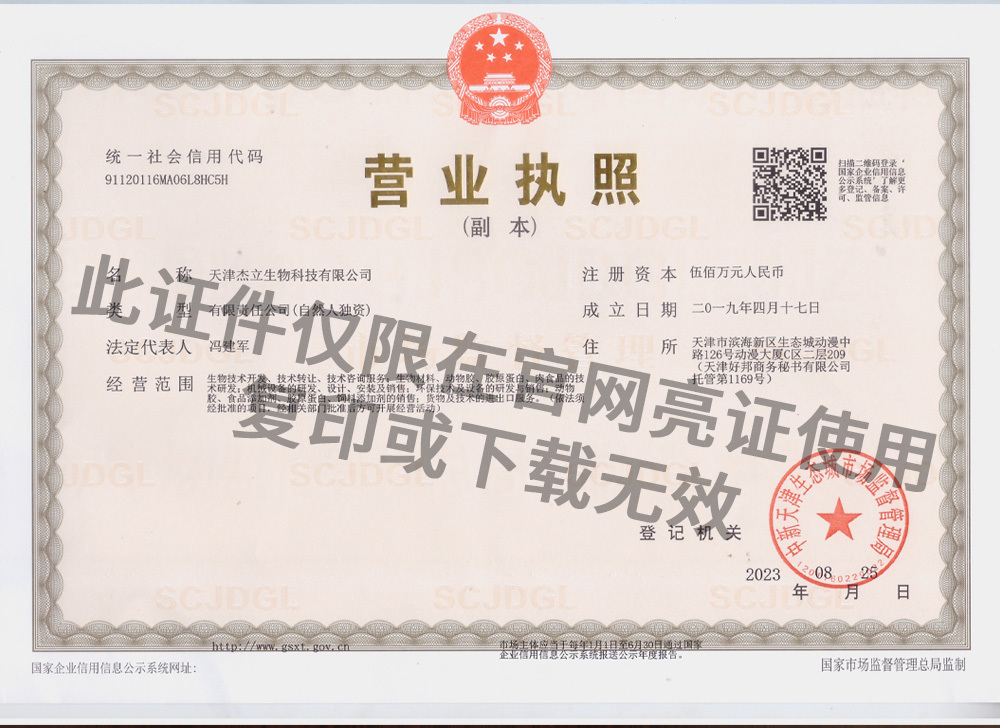
Tianjin Jieligel Biological Technology Co., Ltd | Powered by www.300.cn | Business license | SEO | Privacy Policy