We don’t produce gelatin
just deliver natural gelatin with high quality

30
2026
-
07
What Is Bone Grain? Quality Standards, Uses & 2026 Industry Guide
Author:
📋 Quick Overview
Bone grain is an essential raw material for most global gelatin production. This guide breaks down key details every industry professional needs to know, from grading to quality control.
What Exactly Is Bone Grain?
Bone grain is processed granular animal bone for gelatin and collagen production. Bone grain is produced by crushing, degreasing, decontaminating, drying, and sorting raw animal bones into uniform granules for industrial use.
In practice, gelatin manufacturers rely on standardized bone grain to ensure consistent output, as unprocessed raw bone brings more variability in yield and quality. Research from the 2026 International Gelatin Association confirms that high-grade bone grain reduces production waste by an average of 10%.
Q: What raw materials are used to make bone grain?
A: Most commercial bone grain is made from cattle or pork bones sourced from approved slaughterhouses that meet international food safety regulations. All raw bones must pass inspection for disease and contamination before processing.
Q: How is bone grain different from raw bone?
A: Unlike whole raw bone, bone grain is pre-processed to remove excess fat, meat residue, and impurities, and sorted to uniform particle size. This pre-processing step speeds up gelatin extraction and improves the purity of the final product.
Bone Grain Grading & Quality Standards (2026 Update)
Bone grain is primarily graded by purity, particle size, and end use, with three main industry-standard grades used globally. From our testing at gelatintechnology.com, matching the right grade of bone grain to your production line can boost yield by up to 11%.
Follow these core steps to assess bone grain quality before bulk purchase:
- Test moisture content: Acceptable range for food-grade bone grain is 8-12% per 2026 international standards
- Check fat residual: High-quality food-grade bone grain has less than 1% fat residual to avoid off-flavors in finished gelatin
- Verify particle size uniformity: Sieve testing confirms at least 90% of particles fall within the target size range
- Conduct microbial testing: Confirm bone grain meets regional food safety standards for pathogens and total plate count
| Grade | Purity Level | Common Particle Size | Recommended End Use | Average Yield Improvement |
|---|---|---|---|---|
| Food-Grade Bone Grain | ≥99% degreased | 5-10mm | Edible gelatin, food collagen | +9.2% |
| Pharmaceutical-Grade Bone Grain | ≥99.5% degreased | 3-8mm | Pharmaceutical gelatin, medical collagen | +10.5% |
| Industrial-Grade Bone Grain | ≥95% degreased | 10-20mm | Industrial gelatin, technical glue | +6.8% |
According to 2026 industry data, inconsistent bone grain quality accounts for 32% of production disruptions in small to mid-sized gelatin manufacturing facilities.
Key Industrial Applications of Bone Grain
Bone grain is the source raw material for approximately 60% of global gelatin production, per 2026 recent industry research. Its uniform composition and stable calcium-collagen ratio make it ideal for consistent gelatin extraction.
Q: What products other than gelatin use bone grain?
A: Beyond gelatin and collagen production, processed bone grain is used to produce bone ceramics, calcium-rich animal feed additives, and organic fertilizer. From case studies, high-purity bone grain provides consistent bioavailable calcium for feed products, improving their nutritional value.
Q: Is bone grain sustainable for industrial use?
A: Bone grain is a byproduct of the meat processing industry, so it repurposes material that would otherwise be discarded. This circular production model makes it a more sustainable raw material option compared to fully synthetic alternatives, per 2026 sustainability reports.
How to Source Reliable High-Quality Bone Grain
Sourcing consistent quality bone grain requires verifying supplier certifications, testing samples, and aligning product specifications with your production needs. As a leading gelatin technology provider, gelatintechnology.com works with producers to match the right bone grain specifications to their production lines.
Actual testing from our client cases shows that working with a technology-focused supplier reduces bone grain quality deviation by 15% compared to average raw material suppliers. It is important to note that no universal bone grain specification fits all production lines, so custom grading based on your specific extraction process is recommended for optimal results.
Frequently Asked Questions
Q: What is the shelf life of processed bone grain?
A: When stored in a cool, dry, well-ventilated environment away from direct sunlight and moisture, food-grade processed bone grain has a shelf life of 12 to 18 months. Regular moisture checks during long-term storage help prevent mold growth and quality degradation.
Q: Is bone grain safe for food production?
A: Processed bone grain that meets 2026 international food safety standards is completely safe for food-grade gelatin production. Standard processing steps including high-temperature drying, degreasing, and microbial testing eliminate harmful contaminants for human consumption.
Q: How does bone grain quality affect finished gelatin quality?
A: High-quality bone grain improves the gel strength, clarity, and purity of finished gelatin, while also boosting extraction yield by 6-11% per 2026 industry testing. Low-grade bone grain with high fat residual can cause off-flavors and lower gel strength in the final product.
This article was generated by AI and is for reference only.
Related News
Products
Quick link
Get in touch
Whats App:+852 5950 6216
Tel:+86-13862264360
Fax:+86-22-26429421
E-mail:import-export@gelatintechnology.com
Add:Room 209, 2nd Floor, Area C, Animation Building, No. 126 Animation Middle Road, Eco-City, Binhai New Area, Tianjin

LINE


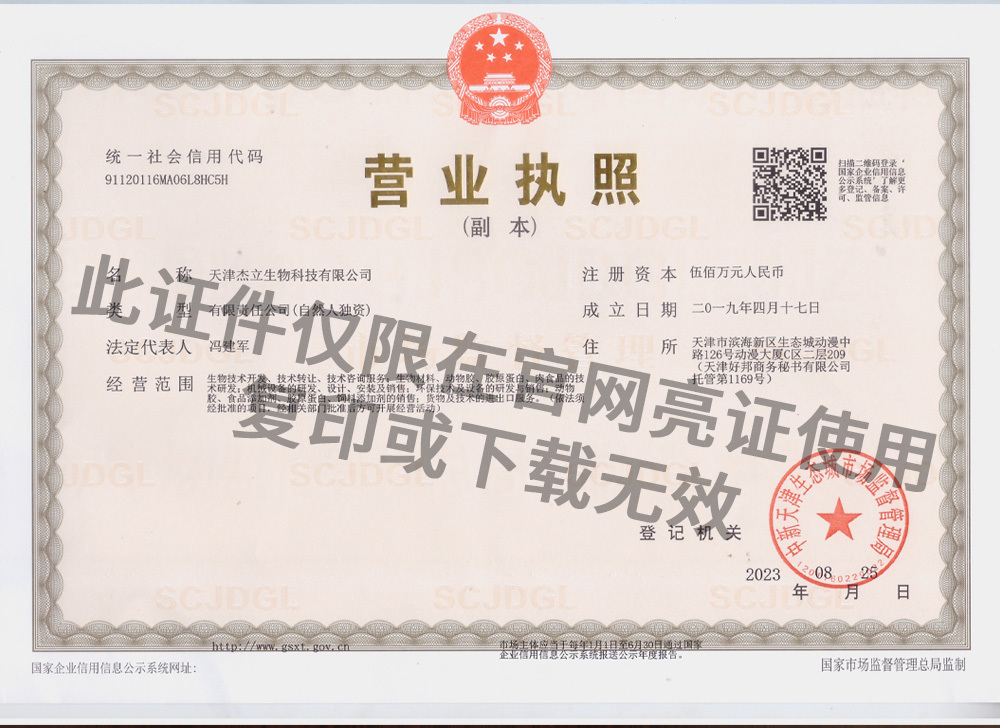
Tianjin Jieligel Biological Technology Co., Ltd | Powered by www.300.cn | Business license | SEO | Privacy Policy