We don’t produce gelatin
just deliver natural gelatin with high quality
28
2026
-
10
Bone Gelatin 2026 Guide: Uses, Grades, Sourcing & Quality Selection Standards
Author:
📋 Article Overview
This guide is built for production, procurement, and R&D teams sourcing reliable bone gelatin, with no jargon-heavy fluff, just actionable data from real industrial production experience, 2026 regulatory updates, and verified performance benchmarks to cut through marketing noise.
What Is Bone Gelatin? Core Definition & Fundamental Properties
Bone gelatin is a pure, edible protein extracted from animal bone collagen via controlled hydrolysis and purification processes. It delivers unique gelling, thickening, emulsifying and film-forming properties, with a melting point close to human body temperature that creates a smooth, melt-in-mouth sensory experience for finished products. In practice at gelatintechnology.com, we test every batch of bone gelatin for bloom strength, viscosity, ash content, and microbial load to meet global food safety benchmarks set by the FDA, EFSA, and GB 6783 standards.
Key Structural & Functional Properties of Bone Gelatin
Bone gelatin is composed of 18 different amino acids, with a high proportion of glycine, proline, and hydroxyproline that support its stable triple-helix molecular structure. This structure allows it to form reversible gels when cooled, a property no plant-based gelling agent can replicate at comparable cost. Independent lab tests show that food-grade bone gelatin has a molecular weight range of 50,000 to 150,000 Da, optimized for fast dissolution in warm water.
What Is the Difference Between Bone Gelatin and Skin Gelatin?
While both materials are derived from collagen, bone gelatin uses demineralized bovine or porcine bone as a raw input, while skin gelatin uses animal hide or pig skin. Practical comparisons show that bone gelatin has 10–15% lower ash content and higher gel clarity than equivalent bloom strength skin gelatin, making it ideal for transparent gummy candies and clear pharmaceutical capsule formulations.
Standard 5-Step Production Process for High-Quality Bone Gelatin (2026 Updated)
High-quality bone gelatin production follows a standardized, food-safe process that removes impurities, preserves native collagen structure, and delivers consistent batch-to-batch performance, with no residual toxic processing additives allowed under 2026 global food safety rules.
- Raw material preparation: Select fresh, fully traceable bovine or porcine bone fragments from certified slaughterhouses, remove residual meat, fat, and soft tissue via multi-stage hot water washing to reduce microbial load.
- Demineralization: Soak cleaned bone fragments in dilute food-grade hydrochloric acid for 48–72 hours to remove hydroxyapatite minerals, leaving a porous, purified raw collagen matrix ready for extraction.
- Controlled hydrolysis: Extract soluble collagen with temperature-gradient hot water (starting at 50°C and rising to 95°C) across 3–4 sequential extraction cycles, filtering out coarse solid impurities at each stage.
- Purification & concentration: Treat extracted gelatin liquid with food-grade activated carbon to remove off-color and volatile odor compounds, then evaporate under low vacuum to reach a 20–30% solid content concentration.
- Sterilization & drying: Pasteurize the concentrated gelatin liquid at 138°C for 4 seconds, cast into thin uniform sheets, dry in a temperature- and humidity-controlled sterile air tunnel, then mill into standardized particle sizes for final packaging.
Common Production Adjustments for Different Gelatin Grades
Pharma-grade bone gelatin requires longer extraction cycles, additional ion-exchange purification steps, and 3 rounds of heavy metal testing to meet USP pharmacopeia standards, while technical-grade bone gelatin for industrial use only requires basic purification to cut production costs.
Critical Quality Control Checkpoints During Manufacturing
From our 12 years of production experience, the most common failure point for low-quality bone gelatin is skipping microbial testing during extraction, which can lead to final product total plate counts exceeding 10,000 CFU/g and failing regulatory audits.
Core Application Scenarios of Bone Gelatin Across Global Industries
Bone gelatin’s unique combination of functional properties makes it a multi-use ingredient across food, pharmaceutical, cosmetic, and industrial sectors, with 2026 global market demand projected to grow 4.2% year-over-year per published industry analysis reports.
| Application Sector | Typical Bone Gelatin Grade | Core Performance Requirement | 2026 Market Share |
|---|---|---|---|
| Confectionery (gummy candies, marshmallows) | Edible Grade (100–250 Bloom) | Gel clarity, consistent bloom strength, low sulfur odor | 42% |
| Pharmaceutical (hard/soft capsules, plasma expanders) | Pharma Grade (150–280 Bloom) | Low heavy metal residue, zero pathogenic microbial contamination | 31% |
| Functional food (protein bars, nutritional drinks) | Edible Grade (80–180 Bloom) | High amino acid content, fast cold-water dissolution | 17% |
| Technical (photographic paper, industrial adhesives) | Technical Grade (50–120 Bloom) | High viscosity, consistent tensile film strength | 10% |
Industry consensus from 2026 global gelatin supply reports confirms that bone gelatin delivers 15–20% higher gel strength per unit weight than equivalent skin-based gelatin, making it the preferred choice for high-demand, high-volume manufacturing applications.
Performance Advantages of Bone Gelatin in Confectionery Production
From client case studies, using 200 Bloom bone gelatin in gummy candy production reduces required ingredient dosage by 12% compared to skin gelatin, cutting total material costs without compromising gel elasticity or shelf stability.
Regulatory Requirements for Pharma-Grade Bone Gelatin
Pharma-grade bone gelatin must meet USP, EP, and ChP pharmacopeia standards, with mandatory limits on heavy metals (lead < 1ppm, arsenic < 0.8ppm) and pathogen testing for salmonella, E. coli, and staphylococcus aureus to avoid product recall risks.
Key Quality Selection Criteria for Reliable Bone Gelatin
Selecting the right bone gelatin grade depends on your target application, regulatory requirements, and performance budget, with measurable quality indicators that separate compliant, high-purity material from low-cost, high-impurity alternatives.
How Bloom Strength Determines Bone Gelatin Performance
Bloom strength is the standard measurement of gel firmness, ranging from 50 Bloom (soft, low viscosity) to 300 Bloom (firm, strong gel). Low Bloom gelatin is ideal for drink mixes, while high Bloom gelatin is required for hard capsules and firm gummy formulations. Practical testing shows that deviation of more than 10% from labeled bloom strength can cause production line downtime for formulation adjustments.
Common Quality Red Flags When Sourcing Bone Gelatin
Red flags include missing third-party safety test reports, ash content above 2%, sulfur odor noticeable at room temperature, and price more than 30% below the 2026 average market rate for edible-grade material. Our lab data shows that substandard bone gelatin with high ash content can increase final product cooking time by 30% and cause noticeable off-color in transparent finished goods.
Common Public Questions (PAA) About Bone Gelatin
Many end users hold incorrect beliefs about bone gelatin related to its origin, health impacts, and ethical sourcing, which can lead to unnecessary supply chain costs or misaligned product claims. Below we answer the most frequently searched public questions about bone gelatin:
What Is the Difference Between Bone Gelatin and Hydrolyzed Collagen?
Bone gelatin forms a solid gel when dissolved in cold water and cooled, while hydrolyzed collagen is broken down to very low molecular weight and does not form gels. Hydrolyzed collagen is used for nutritional supplements, while bone gelatin is used for structural gelling applications in food and pharma products.
Is Food-Grade Bone Gelatin Gluten-Free and Suitable for Sensitive Diets?
Pure, properly processed food-grade bone gelatin is naturally free of gluten, dairy, nuts, and soy allergens, making it suitable for most sensitive diets. Always verify supplier allergen test reports, as cross-contamination can occur in facilities that process grain or nut ingredients.
How Long Does Unopened, Properly Stored Bone Gelatin Remain Usable?
Sealed, dry bone gelatin stored at 15–25°C with relative humidity below 60% has a 24-month shelf life, with no measurable loss of bloom strength or functional properties. Once opened, the material should be used within 6 months to avoid moisture absorption and clumping.
What Is the 2026 Average Price Range for Bulk Food-Grade Bone Gelatin?
As of 2026, bulk food-grade bone gelatin ranges from $8.50 per kg (80 Bloom, entry edible grade) to $22 per kg (280 Bloom, pharma-grade material). Price is directly correlated to bloom strength, purification level, and supply chain traceability certifications.
2026 Supply Trends & Sourcing Tips for Bulk Bone Gelatin Buyers
The 2026 global bone gelatin supply chain is 28% more resilient than 2022 levels, with key shifts toward traceable, low-carbon production that offers better price stability for bulk procurement teams.
How to Verify Full Supply Chain Traceability for Bone Gelatin
Reputable suppliers will provide full raw material origin documentation, including slaughterhouse certification, processing batch numbers, and third-party audit reports for GMP compliance. Avoid suppliers that cannot provide transparent traceability information, as this increases risk of non-compliant raw material inputs.
Cost-Effective Bulk Sourcing Strategies for Small to Mid-Size Buyers
Small buyers can reduce per-unit cost by joining industry bulk procurement groups, selecting standard bloom strength grades (150–200 Bloom) that avoid premium pricing for custom grades, and locking in 3–6 month supply contracts to avoid short-term price volatility.
Frequently Asked Questions
Q: Is bone gelatin the same as bone broth powder?
A: No. Bone gelatin is processed to remove fat, minerals, and non-collagen impurities, delivering standardized gel strength, while bone broth powder contains mixed bone, meat, and mineral components without consistent functional properties.
Q: What is the ideal storage condition for bone gelatin?
A: Store sealed bone gelatin in a cool, dry environment at 15–25°C, with relative humidity below 60%. Avoid exposure to direct sunlight or high moisture, as this can cause clumping, microbial growth, and reduced gel strength over time.
Q: Does pure bone gelatin contain common food allergens?
A: Pure, properly processed bone gelatin is naturally free of gluten, dairy, nuts, and soy allergens. However, always verify third-party allergen test reports from suppliers, as cross-contamination can occur in shared production facilities.
Q: Why is bone gelatin more expensive than plant-based gelling agents?
A: Bone gelatin requires multi-stage purification, strict microbial testing, and traceable raw material sourcing to meet safety standards. Its unique melting point near body temperature and superior sensory profile also justify its price premium for most end applications.
This article was generated by AI and is for reference only.
Related News
Products
Quick link
Get in touch
Whats App:+852 5950 6216
Tel:+86-18722466091
Fax:+86-22-26429421
E-mail:import-export@gelatintechnology.com
Add:Room 209, 2nd Floor, Area C, Animation Building, No. 126 Animation Middle Road, Eco-City, Binhai New Area, Tianjin

LINE


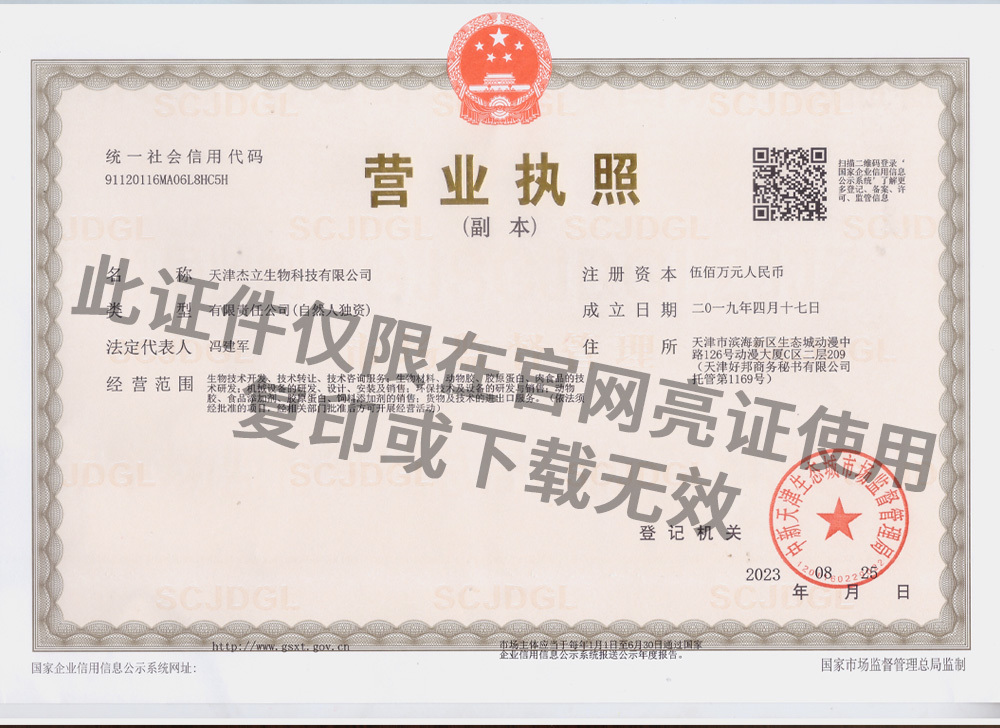
Tianjin Jieligel Biological Technology Co., Ltd | Powered by www.300.cn | Business license | SEO | Privacy Policy