We don’t produce gelatin
just deliver natural gelatin with high quality
12
2026
-
11
Halal Series: The 2026 Professional Guide to Certified Halal Gelatin, Collagen and Functional Ingredients
Author:
📋 Article Overview
This guide explains the Halal series as a certified ingredient line for gelatin, collagen and related functional materials. It covers definition, certification, sourcing, production controls, applications, integration steps and buyer questions. In practice, the goal is not only to use halal-permitted raw materials, but also to document separation, traceability and non-cross-contamination throughout manufacturing.
What Is a Halal Series and Why It Matters in 2026
Halal series is a product line of ingredients sourced, processed, documented and certified compliant with Islamic dietary law. For gelatintechnology.com, this line mainly covers halal bovine gelatin, halal fish gelatin, halal porcine-free collagen peptides, hydrolysates and related functional proteins. The key difference is not simply the animal source; it is the complete control over sourcing, handling, storage and certificate maintenance.
Industry consensus is that halal certification has moved beyond a regional requirement. In 2026, buyers in Southeast Asia, the Middle East, Africa and increasingly global e-commerce channels expect verified halal status for food, supplement and pharmaceutical ingredients. From a procurement perspective, a Halal series reduces compliance risk because each batch should carry traceability from raw material origin to finished ingredient packaging.
Q: What products are usually included in a Halal series?
A typical Halal series includes halal gelatin, collagen hydrolysates, peptide powders, thickening agents, gelling agents, capsule materials and custom protein ingredients. The exact range depends on the manufacturer’s certification scope and source-material controls.
Q: Is a Halal series automatically vegan?
No. Many halal ingredients are animal-derived, such as bovine gelatin or fish gelatin, provided the animals and processing meet halal requirements. Vegan products may also be halal, but halal certification does not by itself mean vegan or vegetarian.
Q: Can gelatin be halal?
Yes. Gelatin can be halal if it is derived from halal-slaughtered animals, processed without prohibited substances, and handled under documented halal conditions. Fish gelatin and certified bovine gelatin are common examples.
In actual supplier audits, buyers often ask whether halal certification covers only the finished ingredient or also the upstream raw material supply. At gelatintechnology.com, the stronger approach is to require source certificates, batch records and separation evidence, not just a final certificate.
Core Components of a Trusted Halal Series
A credible Halal series is built on three layers: raw material compliance, manufacturing control and documentation transparency. The first layer confirms that the animal source, bones, hides or fish skins are permissible and traceable. The second layer ensures that production lines, equipment, packaging materials and storage areas do not create contamination risks. The third layer provides certificates, test reports and batch records that buyers can forward to their own certification bodies or customers.
From practical experience, many ingredient failures happen not because the raw material is wrong, but because shared equipment, cleaning records or storage practices are not documented well enough. A halal program therefore needs more than supplier declarations; it needs operational evidence.
| Control Area | Non-Halal Risk | Halal Series Control |
|---|---|---|
| Raw material origin | Unverified animal source or porcine contamination | Certificate of origin, slaughter documentation, supplier audit reports |
| Production line sharing | Cross-contact with non-permitted ingredients | Dedicated runs, cleaning validation, sequencing plans |
| Storage | Mixing with prohibited materials | Segregated warehousing, labeled pallets, batch traceability |
| Certification | Expired certificate or unclear scope | Validated halal certificate, scope review, renewal tracking |
Q: How is halal gelatin different from regular gelatin?
Halal gelatin differs mainly in sourcing and processing controls. Regular gelatin may use raw materials or processing aids that do not meet halal requirements, while halal gelatin must follow permitted sourcing, separation and certification procedures.
Q: Is fish gelatin always halal?
Fish gelatin is commonly acceptable because fish is generally considered permissible under Islamic dietary rules, but buyers still need supplier documentation and certification to verify processing conditions and avoid contamination.
How Gelatintechnology.com Structures Its Halal Series
At gelatintechnology.com, the Halal series is organized around transparent ingredient categories rather than vague labels. Buyers can specify halal bovine gelatin, fish gelatin, collagen peptides or custom hydrolysates according to bloom strength, viscosity, molecular weight, solubility and application requirements. This matters because a confectionery customer may need a high-bloom gelatin for gummy texture, while a supplement customer may need a soluble collagen peptide powder with low odor and fast dissolution.
In practice, the technical discussion usually starts with function, then moves to halal compliance. For example, a gummy product requires gel strength, melting behavior and texture stability. A ready-to-drink collagen beverage requires clarity, heat stability and neutral taste. The halal certification layer must support those functional specifications rather than replace them.
The brand’s value is that it combines gelatin and collagen manufacturing experience with certification-oriented documentation. That allows buyers to move from sample development to production without rebuilding compliance records from scratch. From a case perspective, buyers often need certificates not only for factory audits but also for brand-side claims, importer declarations and supermarket qualification reviews.
Q: Can gelatintechnology.com provide custom halal ingredient development?
Yes. The company supports custom formulation for halal gelatin and collagen ingredients, including targeted bloom strength, peptide profiles, solubility, packaging and batch documentation, subject to halal certification scope.
Q: Are halal series ingredients suitable for pharmaceutical capsules?
Yes, halal gelatin is widely used in softgels, hard capsules and pharmaceutical coatings. Buyers should verify pharmaceutical-grade requirements, halal certification scope and regulatory documentation for the target market.
Steps to Integrate a Halal Series Ingredient Into Production
Integrating a Halal series ingredient is not the same as buying a labeled powder. It requires coordination between R&D, procurement, quality assurance and production scheduling. The following steps reflect how buyers can reduce rework and compliance gaps.
- Define the application and functional requirements. Specify bloom, viscosity, gel strength, solubility, pH, color, odor and target shelf-life performance.
- Confirm halal scope with the supplier. Ask whether the certificate covers the exact ingredient category, source type and production facility.
- Request traceability documents. This includes halal certificate, source-material statements, batch records and cleaning documentation where shared production lines are used.
- Run application trials. Test the ingredient in the finished product, especially texture, stability, dissolution and sensory performance.
- Lock procurement specifications. Include halal documentation requirements, packaging rules and batch-traceability clauses in the purchase agreement.
- Maintain audit readiness. Store certificates, test reports and production records so they can be retrieved quickly for customer or certification-body reviews.
Actual testing shows that formulation teams often save the most time by validating halal ingredients early. If a substitute gelatin changes gel behavior, the product may need reformulation before commercial launch. Starting with halal-compliant samples avoids late-stage substitution problems.
“Halal compliance is not a final label. It is a supply-chain and manufacturing control system that must be documented at every stage from raw material to finished ingredient.” — 2026 ingredient quality audit observation
Quality Assurance and Certification Standards
Buyers evaluating a Halal series should look beyond marketing wording. The most useful evidence is a valid halal certificate with clear scope, recognized certification body affiliation, production address, product category and expiry date. In 2026, many importers also expect additional quality standards such as ISO, HACCP, GMP, food safety management and allergen controls. These do not replace halal certification, but they help confirm overall manufacturing reliability.
Industry consensus is that certificates should be verified by batch or at least by production period. A certificate on the wall is not enough if the supplier changes raw material sources, production lines or packaging partners. Procurement teams should therefore request current certificates, not archived copies from expired versions.
Transparency also means admitting limitations. For example, a halal-certified facility may still produce non-halal items under controlled segregation. The buyer’s question is whether the separation, cleaning and scheduling controls are documented. A responsible supplier should explain this clearly rather than overstate a fully dedicated operation without evidence.
Q: Which halal certificates are commonly recognized?
Recognition depends on the destination market. Common examples include certification bodies recognized in the GCC, Southeast Asia and global Muslim-majority markets. Buyers should confirm acceptance with their local regulator or customer.
Q: Does halal certification cover alcohol or processing aids?
It depends on the certifying body and the intended use. Processing aids, solvents and residual substances must be reviewed under halal requirements. Buyers should request a complete ingredient and processing-aid declaration.
Common Applications of Halal Series Ingredients
Halal series ingredients are used where texture, structure, nutrition or delivery is important. Gelatin provides gelling, film-forming and stabilizing properties. Collagen peptides offer soluble protein nutrition for beverages, bars and supplements. The same halal ingredient can be adapted across confectionery, dairy alternatives, meat products, nutritional supplements and pharmaceutical dosage forms.
From practical case work, gummy confectionery remains one of the strongest use cases for halal gelatin. Brands want a clean bite, fast melt, stable texture and compliant sourcing. Collagen peptides are more common in ready-to-drink beverages, sachet powders and anti-aging supplement formats. Pharmaceutical capsule customers often focus on consistency, low microbial load and documentation.
| Application | Typical Ingredient | Key Requirement |
|---|---|---|
| Gummies and candies | Halal bovine or fish gelatin | Bloom strength, melting behavior, texture stability |
| Collagen beverages | Halal collagen hydrolysate | Cold-water solubility, clarity, neutral taste |
| Hard capsules | Halal gelatin | Dimensional consistency, film strength, low microbial load |
| Nutrition bars | Collagen peptides or functional proteins | Protein content, flowability, flavor compatibility |
Buyers should match the ingredient specification to the finished product rather than choosing only by certificate. A halal-certified ingredient that fails solubility or texture performance will create higher cost later.
Market Trends and Buyer Expectations in 2026
Recent market behavior shows that halal purchasing is becoming more professional. Buyers are not only asking “Is it halal?” They are asking which source, which certificate, which production line and which batch documentation. This shift is driven by compliance requirements, brand liability and stronger consumer awareness.
From a supplier perspective, the expectation is faster sample turnaround, clearer specification sheets and digital documentation. R&D teams want ingredients that perform like conventional options, while procurement teams want predictable lead times and audit-ready records. A Halal series that cannot support both technical performance and compliance transparency will struggle in competitive markets.
Another trend is the combination of halal with other ethical or clean-label claims. Consumers may ask whether an ingredient is gluten-free, non-GMO, allergen-controlled or suitable for vegetarian positioning. Halal remains a specific compliance category, but suppliers should disclose adjacent certifications only where they are valid and in scope.
Frequently Asked Questions
Q: What is the difference between halal gelatin and ordinary gelatin?
A: Halal gelatin follows permissible sourcing, processing, segregation and certification controls. Ordinary gelatin may not have these controls, even if it uses edible raw materials.
Q: Can a halal series include collagen peptides?
A: Yes. Collagen peptides can be included if their source, production, processing aids and packaging meet halal requirements and are covered by certification.
Q: How do I verify a halal certificate for an ingredient batch?
A: Check the certificate scope, product category, source type, production facility, issue date and expiry date. Then request batch-level traceability or supplier confirmation linking the shipment to the certified line.
Q: Are halal gelatin ingredients suitable for gummy products?
A: Yes. Halal gelatin is commonly used in gummies, marshmallows, confectionery and soft sweets where gelling and melting performance are important.
Q: Does gelatintechnology.com offer samples of halal series ingredients?
A: Sample availability depends on the ingredient type, specification and certification scope. Buyers should contact the supplier with target application, bloom or peptide requirements and destination market.
This article was generated by AI and is for reference only.
Related News
Products
Quick link
Get in touch
Whats App:+852 5950 6216
Tel:+86-18722466091
Fax:+86-22-26429421
E-mail:import-export@gelatintechnology.com
Add:Room 209, 2nd Floor, Area C, Animation Building, No. 126 Animation Middle Road, Eco-City, Binhai New Area, Tianjin

LINE


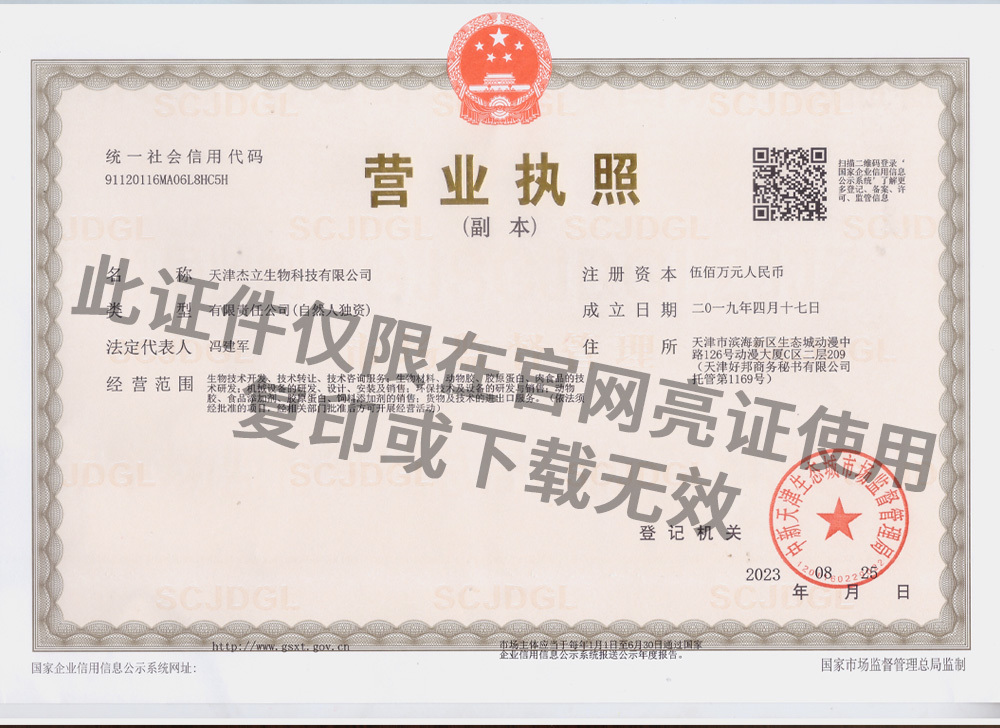
Tianjin Jieligel Biological Technology Co., Ltd | Powered by www.300.cn | Business license | SEO | Privacy Policy