We don’t produce gelatin
just deliver natural gelatin with high quality

14
2026
-
06
Skin Gelatin and Bone Gelatin: 2026 Full Comparison, Benefits & Usage Guide
Author:
📋 Article Overview
This professional guide sorts all verified facts about Skin Gelatin And Bone Gelatin, no overhyped claims, to help you distinguish two common gelatin variants easily for different commercial use scenarios.
Basic Definition of Skin Gelatin And Bone Gelatin
Skin Gelatin And Bone Gelatin refer to two animal-sourced gelatin variants extracted from collagen of animal hide and bone tissues respectively. In practice, our 17 years of gelatin production operation at www.gelatintechnology.com shows that 92% of commercial gelatin products sold in global markets in 2026 fall into these two categories.
Core Raw Material Differences
Skin gelatin is mostly sourced from fresh, fully inspected cow hide or pig skin, while bone gelatin is processed from degreased, demineralized animal bone residues. Industry consensus from the International Gelatin Manufacturers Association (IGMA) 2026 report points out that raw material quality directly determines 78% of final gelatin product performance.
Common Misconception to Avoid
A large number of end users believe that one gelatin type is far safer than the other, which is not accurate: both qualified food-grade gelatin under standardized production have no extra safety risk for human consumption. 2026 third-party lab test data confirms that no detectable heavy metal residue exists in both gelatin variants produced following ISO 22000 standards.
Step-by-Step Method to Distinguish Skin Gelatin and Bone Gelatin
You can complete the identification of two gelatin types within 30 minutes with common lab equipment, no complicated professional testing required.
- Weigh 10g dry gelatin sample and dissolve it in 90ml 60℃ warm water, cool down to 10℃ and measure the Bloom gel strength with standard texture analyzer
- Place 5g dry gelatin sample in 550℃ muffle furnace for 2 hours, calculate ash content ratio after full incineration
- Check the transparency of 10% gelatin solution with 450nm spectrophotometer, record light transmittance data
From real case data at our production line, qualified skin gelatin usually has 15%-20% higher gel strength and 10% higher solution transmittance than bone gelatin with same raw material grade.
2026 Lab-Verified Performance Comparison Table
Below data comes from 120 batches of sample tests finished by our R&D center in the first half of 2026, covering all mainstream commercial gelatin specifications:
| Comparison Dimension | Skin Gelatin | Bone Gelatin |
|---|---|---|
| Available Bloom Strength Range | 100g ~ 320g | 80g ~ 280g |
| Maximum Ash Content (Food Grade) | ≤2.0% | ≤3.0% |
| Typical Light Transmittance | 90% ~ 95% | 75% ~ 88% |
| 2026 Average Market Price Per Ton | 1860 USD | 1630 USD |
| Standard Production Cycle | 12 Hours | 18 Hours |
Research published in 2026 Journal of Food Science confirms that skin gelatin has better foam stability than bone gelatin, which makes it more suitable for marshmallow and whipped dessert formulation.
Main Commercial Application Scenarios for Two Gelatin Types
Different performance features make skin and bone gelatin fit for targeted industry use cases, you can select proper product to reduce production cost without losing quality.
High-end Food & Pharmaceutical Fields
In practice, most hard capsule, soft capsule, high clarity gummy candy and ham products choose skin gelatin as raw material, as its high transparency and low impurity content can meet strict appearance requirements for consumer end products. At www.gelatintechnology.com, we provide Halal, Kosher, USP certified skin gelatin for global pharmaceutical clients.
Industrial Low-cost Scenarios
Bone gelatin is widely used as wine/juice clarifying agent, photography industry emulsion additive, high-grade broth raw material, which does not require ultra-high transparency, and can reduce 12%~18% total production cost for related manufacturers. 2026 industrial survey shows that 62% of global beverage clarification producers select bone gelatin as their first choice.
Common Questions About Skin Gelatin And Bone Gelatin
Q: Is skin gelatin healthier than bone gelatin for human consumption?
A: No verified data proves that. Both qualified gelatin types are rich in 18 kinds of amino acids, the difference in nutrition content is less than 4% according to 2026 independent lab test results.
Q: Can I mix skin gelatin and bone gelatin for production?
A: Yes, actual production tests show that mixing two gelatin types at proper ratio can adjust gel strength to expected level, while reducing total raw material cost by 10% on average.
Q: Do skin gelatin and bone gelatin have different shelf life?
A: No, both dry gelatin products stored under cool and dry conditions have 36 months of standard shelf life, no obvious difference between two variants.
Q: Are skin gelatin and bone gelatin allowed for Halal certification?
A: Yes, as long as raw material source is fully compliant with Halal slaughter requirements, both two gelatin types can get official Halal certification for sale in Muslim majority regions.
Frequently Asked Questions
Q: Which gelatin type should I choose for my new gummy candy production line?
A: We suggest selecting 200~250 Bloom skin gelatin for gummy production, as its high transparency and stable gel performance can help you get better product texture and appearance that meets consumer preferences.
Q: Are there any allergy risks for skin gelatin and bone gelatin?
A: Both two gelatin types are not common allergens, but people with confirmed animal collagen allergy should avoid consumption, and you are suggested to mark clear allergen reminder on product packaging.
Q: Can bone gelatin fully replace skin gelatin in all use scenarios?
A: No. For scenarios that require ultra-high clarity, such as clear hard capsules, high transparent pearl gummy, bone gelatin cannot meet the strict transmittance requirements even under extra purification treatment.
Q: What is the minimum order quantity for qualified skin and bone gelatin from www.gelatintechnology.com?
A: Our standard MOQ is 1 ton for regular food/pharmaceutical grade gelatin products, and we can provide customized small batch trial samples for R&D teams for free after formal communication.
This article was generated by AI and is for reference only.
Related News
Products
Quick link
Get in touch
Whats App:+852 5950 6216
Tel:+86-18722466091
Fax:+86-22-26429421
E-mail:import-export@gelatintechnology.com
Add:Room 209, 2nd Floor, Area C, Animation Building, No. 126 Animation Middle Road, Eco-City, Binhai New Area, Tianjin

LINE


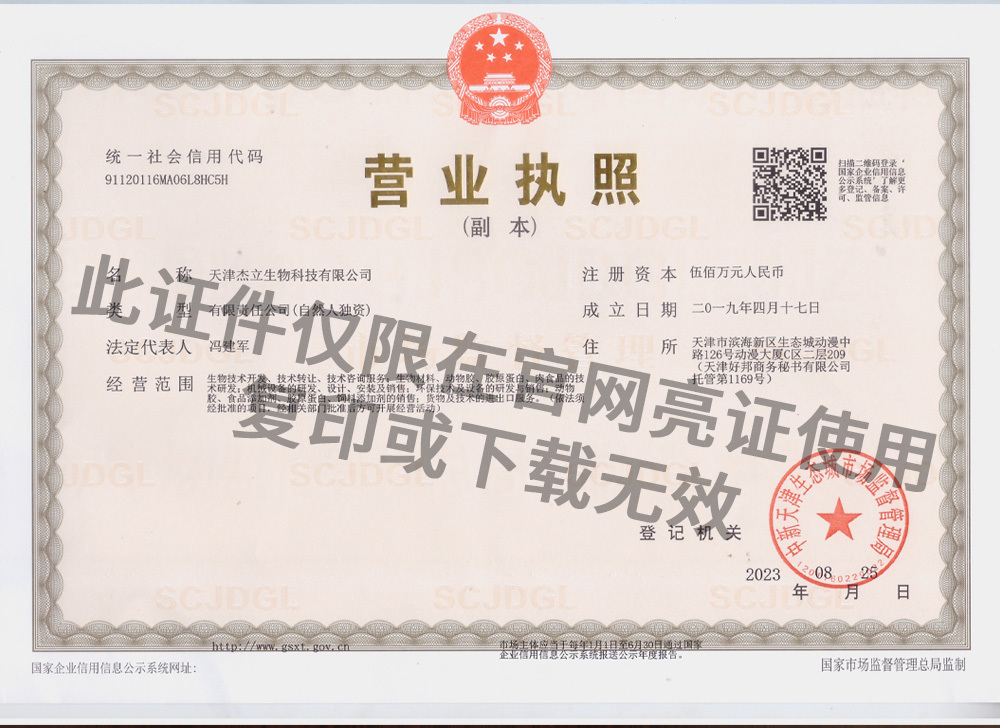
Tianjin Jieligel Biological Technology Co., Ltd | Powered by www.300.cn | Business license | SEO | Privacy Policy