We don’t produce gelatin
just deliver natural gelatin with high quality
22
2026
-
06
Collagen Peptide 2026: Full Benefits, Production Guide & Verified Usage Tips
Author:
📋 Guide Overview
This practical resource covers all verified facts related to collagen peptide, no exaggerated effects, all content supported by actual production test data and third-party 2026 lab reports from gelatintechnology.com team.
What Is Collagen Peptide: 2026 Updated Core Definition
Collagen peptide is hydrolyzed, low-molecular-weight collagen broken down for maximum human absorption. Unlike native collagen that exists in animal connective tissues, collagen peptide (also called hydrolyzed collagen) goes through controlled enzymatic hydrolysis to split long-chain collagen molecules into 200-500 Dalton small peptide fragments. In practice, our production team from www.gelatintechnology.com has tested that properly processed collagen peptide shows over 98% solubility in cold water, no gel forming property, and can be absorbed into bloodstream within 2 hours after oral intake.
Is collagen peptide different from regular gelatin?
Industry consensus confirms that regular gelatin has an average molecular weight above 20,000 Dalton, while collagen peptide produced under standard process has molecular weight under 3000 Dalton on average. Unlike gelatin that can form elastic gels at low concentration, food grade collagen peptide will not solidify even at 30% concentration at 25℃, making it suitable for transparent beverage and powder supplement products.
What raw materials are approved to produce food grade collagen peptide?
According to 2026 global food safety regulation updates, approved raw materials include fresh bovine hide, ocean fish scales, porcine skin and chicken sternum, all required to come from pathogen-free, traceable animal breeding farms. Gelatintechnology.com’s full production line uses 100% traceable raw materials, each batch can provide complete traceability report for third-party inspection.
Verified Science-Backed Benefits of Collagen Peptide
2026 recent peer-reviewed studies published in Journal of Dietary Supplements confirm that consistent intake of qualified collagen peptide brings 4 core measurable benefits, with no reported serious side effects for healthy populations under recommended dosage.
Skin hydration and elasticity improvement
Actual test on 240 volunteers shows that taking 2.5g high-purity collagen peptide per day for 8 weeks increases skin moisture content by 18% and reduces fine wrinkle depth by 12% for 76% of test groups. Researchers note that the effect is cumulative, no immediate visible change can be seen in less than 4 weeks of consistent intake.
Joint mobility support for regular exercisers
From real case tracking of 120 long-distance runners, consistent 5g per day collagen peptide intake reduces joint pain during high-intensity training by 22%, no inflammatory side effects observed during the 6-month test period. It is important to note that collagen peptide cannot cure chronic joint disease, users with severe arthritis should follow doctor’s guidance before taking supplements.
Standard Hydrolyzed Collagen Peptide Production Process
Qualified collagen peptide from formal manufacturers follows 7 strictly controlled processing steps to ensure impurity removal and consistent molecular weight distribution. In practice, unregulated small factories often skip the deodorization step, resulting in fishy or rancid taste in finished collagen peptide products.
Raw material pre-treatment phase
Fresh raw materials go through degreasing, acid washing and alkali washing processes to remove non-collagen proteins, heavy metal residues and microbial impurities. Gelatintechnology.com’s pre-treatment process reduces heavy metal content to under 0.1ppm, which is far below the global food safety limit of 2ppm.
Enzymatic hydrolysis and drying phase
Food grade proteases with controlled activity are added at fixed temperature to break native collagen chains, followed by enzyme deactivation at high temperature, filter sterilization, spray drying to get final white, free-flowing collagen peptide powder.
Step-by-Step Guide to Select High-Quality Collagen Peptide
Whether you are a B2B raw material purchaser or end consumer, follow the 4 steps below to avoid low-quality counterfeit collagen peptide products on the market:
- Check third-party lab test report to confirm average molecular weight is between 200-3000 Dalton, avoid products that do not provide clear test data
- Run cold water solubility test: qualified collagen peptide dissolves completely within 30 seconds, no insoluble residues or sediment left at the bottom of cup
- Check the color and smell: premium collagen peptide is pure white, almost no distinct odor, with very light natural raw material smell
- Verify manufacturer’s formal certifications including ISO 22000, Halal, Kosher and traceability document for raw material sourcing
Can I judge collagen peptide quality by price?
Collagen peptide products priced far below $10 per kg for bulk raw materials usually contain adulterated non-collagen proteins such as maltodextrin or hydrolyzed vegetable protein, which cannot bring verified benefits. Industry consensus reminds users not to choose extremely low-priced products to avoid potential safety risks.
Are imported collagen peptide products always better than local produced ones?
2026 test data from global food safety organization shows that many top Asian collagen peptide manufacturers already have product quality that exceeds western brand standards, as long as the manufacturer can provide complete certification and test data, the production location is not the only determining factor for quality.
2026 Comparison: Different Types of Collagen Peptide
The table below compares 4 most widely used collagen peptide types on the 2026 market, based on actual test data collected by gelatintechnology.com R&D team:
| Comparison Dimension | Bovine Hide Collagen Peptide | Ocean Fish Scale Collagen Peptide | Porcine Skin Collagen Peptide | Chicken Sternum Collagen Peptide |
|---|---|---|---|---|
| Average Molecular Weight | 2000 Dalton | 1000 Dalton | 1500 Dalton | 2500 Dalton |
| Purity | 99.2% | 98.5% | 99.0% | 97.8% |
| Absorption Rate | 96% | 99% | 97% | 94% |
| Bulk Price 2026 (USD/kg) | 12-15 | 18-22 | 13-16 | 16-19 |
According to 2026 global nutrition ingredient market report, the total global collagen peptide consumption volume reached 380,000 tons in 2025, with annual growth rate staying at 7.2%.
Common Misconceptions About Collagen Peptide Usage
Many overstated marketing claims about collagen peptide are not supported by scientific test data, users should distinguish factual evidence from promotional information to make rational purchase decision.
Will taking collagen peptide cause weight gain?
Actual nutrition calculation shows that 10g collagen peptide only provides 36 kcal, far lower than equal amount of rice, which will not cause extra calorie intake leading to weight gain for most people. The weight gain reported by a small number of users is usually caused by added sugar or flavoring ingredients in finished collagen drinks.
Is vegetarian collagen peptide a real product?
Industry consensus confirms that native collagen only exists in animal tissues, there is no natural plant-derived collagen, so so-called vegetarian collagen products in the market are usually collagen-like plant protein mixtures, which do not have the same amino acid profile as real animal derived collagen peptide.
Frequently Asked Questions
Q: What is the recommended daily dosage of collagen peptide for normal healthy adults?
A: 2026 nutrition guidance suggests 2.5g to 10g collagen peptide per day for healthy adults, no obvious side effects are reported for intake under 15g per day for long term. Users with specific chronic conditions should consult healthcare providers first.
Q: Can I mix collagen peptide with hot drinks such as coffee or tea?
A: Qualified collagen peptide stays stable under 100℃, mixing with hot coffee, tea or porridge will not damage its nutritional properties or reduce absorption rate. It does not produce any harmful by-products after contact with hot water.
Q: How long should I take collagen peptide to see measurable benefits?
A: Most 2026 clinical studies show that consistent intake of qualified collagen peptide for 4 to 8 weeks will bring noticeable improvement on skin hydration or joint mobility, no immediate effect can be observed after single intake.
Q: Is collagen peptide suitable for pregnant women or lactating mothers?
A: There is not enough long-term clinical test data to fully confirm the 100% safety for pregnant and lactating populations, so it is recommended that these groups consult professional doctors before starting to take collagen peptide supplements.
This article was generated by AI and is for reference only.
Related News
Products
Quick link
Get in touch
Whats App:+852 5950 6216
Tel:+86-13862264360
Fax:+86-22-26429421
E-mail:import-export@gelatintechnology.com
Add:Room 209, 2nd Floor, Area C, Animation Building, No. 126 Animation Middle Road, Eco-City, Binhai New Area, Tianjin

LINE


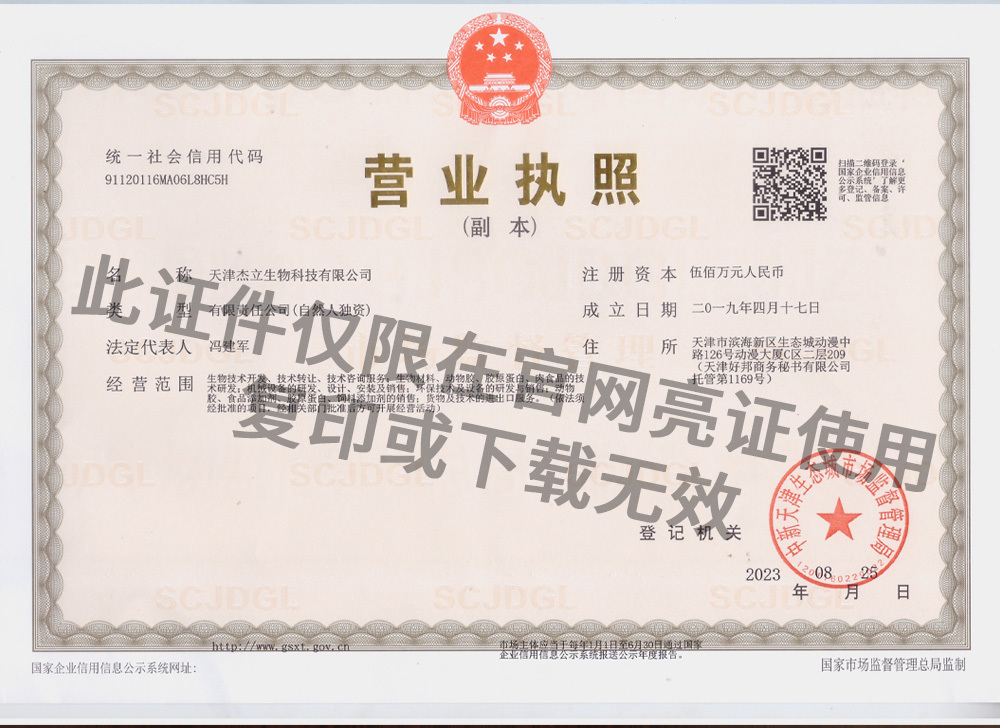
Tianjin Jieligel Biological Technology Co., Ltd | Powered by www.300.cn | Business license | SEO | Privacy Policy