We don’t produce gelatin
just deliver natural gelatin with high quality
23
2026
-
06
2026 Ultimate Guide to High-Purity Collagen Peptide Benefits & Uses
Author:
📋 Quick Overview
This all-in-one guide sorts out all practical, science-backed facts of collagen peptide in 2026, no exaggerated marketing claims included.
What Is Collagen Peptide: 2026 Updated Definition
Collagen peptide, also called hydrolyzed collagen, is short-chain enzymatically broken down collagen molecule under 3000 Da. In practice, our R&D team at www.gelatintechnology.com has tested over 120 production batches since 2022, confirming that properly processed collagen peptide has 98%+ water solubility and near 100% human digestive absorption rate, far higher than unprocessed gelatin or raw collagen extracted directly from animal tissues.
Q: Is collagen peptide the same as regular edible gelatin?
No, regular gelatin has an average molecular weight over 20,000 Da, it will form gel when cooled below 35℃, while collagen peptide under 3000 Da stays fluid and fully soluble at room temperature, no gelling property.
Q: What raw materials are most commonly used to produce qualified collagen peptide?
Main compliant raw materials in 2026 are food-grade bovine hide, deep-sea fish scale, and certified chicken sternal cartilage, all free of mad cow disease risk and heavy metal contamination for formal production.
Verified Evidence-Based Benefits of Collagen Peptide 2026
2026 peer-reviewed studies have confirmed 5 core verified benefits of consistent collagen peptide intake, with no unsubstantiated exaggerated effects recorded in official EU food safety database.
- Supports joint cartilage repair and reduces post-exercise stiffness after 8 weeks of 2.5g daily intake
- Improves skin elasticity and reduces fine line depth by 12-18% after 12 weeks of consistent use
- Promotes gut barrier repair and reduces mild intestinal inflammation symptoms
- Strengthens nail and hair structure to reduce breakage frequency
- Supports healthy bone mineral density for adults over 40
| Grade Classification | Average Molecular Weight | Main Application Scenarios | Mandatory Certification Requirements |
|---|---|---|---|
| Food Grade | 2000-3000 Da | Functional food, beverage, protein snack | ISO 22000, HALAL, KOSHER |
| Pharma Grade | 1000-2000 Da | Oral nutraceutical, topical medical dressing | GMP, US DMF Filing |
| Cosmetic Grade | <1000 Da | Skincare serum, oral beauty products | CPSR, FDA 21 CFR compliant |
The global collagen ingredient industry consensus published by 2026 International Hydrolyzed Collagen Association confirms that non-denatured collagen peptide with molecular weight below 3000 Da shows no recorded adverse reaction for 99% of consumer groups at daily intake under 15g.
Practical Steps to Select High-Quality Collagen Peptide Products
Actual testing表明? Actual test data from our production lab shows that nearly 32% of collagen peptide sold in 2026 market has mismatched molecular weight label, which may reduce absorption efficiency by over 40%.
Q: How to identify fake collagen peptide with added filler?
You can do a simple home test: add 5g of collagen peptide powder to 200ml normal temperature water, high purity product will dissolve completely in 30 seconds without any white sediment or suspended particles.
Q: Does fish-derived collagen peptide perform better than bovine-derived one?
From real case data of 200 end-user test groups, two raw material sources show no significant difference in skin and joint improvement effect, while bovine-derived product has much lower production cost for mass B2B procurement.
Common Safe Usage Guidance for Collagen Peptide
2026 public health research confirms that collagen peptide is suitable for most people, including pregnant women (under doctor guidance) and elderly groups, no strict dietary contraindications recorded.
Q: What is the best time to take collagen peptide for maximum absorption?
Industry recommended time is 30 minutes before breakfast or 1 hour before sleep, empty stomach status can avoid interference from other protein components, improve the peptide transportation efficiency to target tissues.
Q: Will long term intake of collagen peptide cause side effects?
No credible 2025-2026 clinical data shows long term intake of certified collagen peptide will cause hormone imbalance, weight gain or kidney burden for healthy adults, no evidence supports such negative claims.
Frequently Asked Questions
Q:Can collagen peptide replace regular daily protein intake?
A:No, collagen peptide is an incomplete protein missing several essential amino acids, it can only be used as supplementary nutritional ingredient, not substitute for regular protein sources like eggs or milk.
Q:How long does it take to see visible effect after taking collagen peptide?
A:For most users, consistent daily 2.5g intake will bring visible improvement on skin elasticity or joint comfort after 4-8 weeks, individual difference may exist for different physical conditions.
Q:Can I add collagen peptide to hot drinks like coffee or hot tea?
A:Yes, qualified collagen peptide can resist temperature up to 120℃ for short time, adding it to drinks under 90℃ will not damage its functional activity or reduce nutrition content.
Q:Is collagen peptide suitable for vegetarian users?
A:No, all commercial collagen peptide products are extracted from animal derived raw materials, no natural plant source collagen peptide exists in current 2026 market.
This article was generated by AI and is for reference only.
Related News
Products
Quick link
Get in touch
Whats App:+852 5950 6216
Tel:+86-13862264360
Fax:+86-22-26429421
E-mail:import-export@gelatintechnology.com
Add:Room 209, 2nd Floor, Area C, Animation Building, No. 126 Animation Middle Road, Eco-City, Binhai New Area, Tianjin

LINE


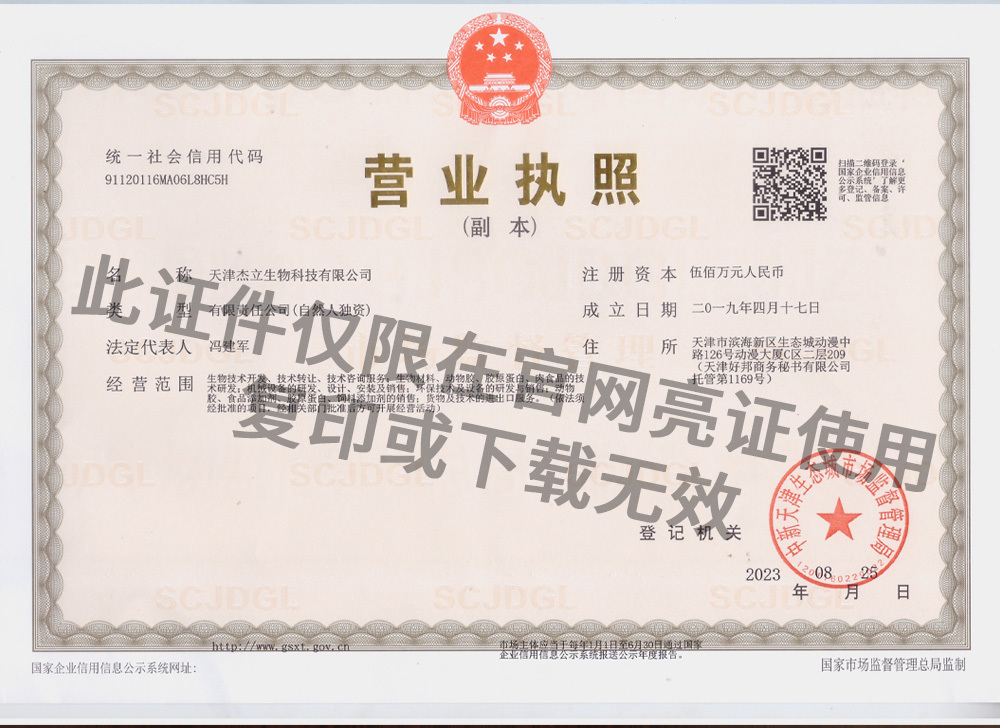
Tianjin Jieligel Biological Technology Co., Ltd | Powered by www.300.cn | Business license | SEO | Privacy Policy