We don’t produce gelatin
just deliver natural gelatin with high quality

01
2026
-
08
Complete Guide to Skin Gelatin: Benefits, Uses, Quality Standards 2026
Author:
📋 Overview
This guide breaks down all critical details of skin gelatin for buyers, manufacturers, and industry professionals, based on 2026 industry standards and practical production experience.
What Is Skin Gelatin?
Skin Gelatin is a soluble functional collagen derived from processed animal skin. It is produced through controlled hydrolysis of collagen in animal skin, resulting in a powdered or granular protein product with unique gelling, film-forming, and binding properties. In practice, properly processed skin gelatin has high biocompatibility, making it suitable for sensitive use cases from cosmetics to medical devices.
Q: How is high-purity skin gelatin produced?
Leading producers follow a standardized step-by-step process to ensure consistent quality, as outlined below:
- Raw material pretreatment: Remove hair, fat, and non-collagen impurities from harvested animal skin
- Controlled acid or alkaline hydrolysis to break down collagen crosslinks while preserving functional properties
- Low-temperature extraction of soluble gelatin to avoid protein denaturation
- Filtration, sterilization, concentration, and drying into the final finished product
At www.gelatintechnology.com, we test every batch for purity and gel strength to meet international regulatory standards. To help you compare, below is a side-by-side comparison of skin gelatin and the most common alternative, bone gelatin:
| Comparison Dimension | High-Grade Skin Gelatin | Standard Bone Gelatin |
|---|---|---|
| Average Purity | 99.2% | 97.5% |
| Bloom Strength Range | 50 – 300 g | 100 – 250 g |
| Gel Consistency | Very High | Moderate |
| Typical Cost | 6% higher | Lower |
| Common Applications | Cosmetics, Wound Care, Pharmaceuticals | General Food Production |
Per 2026 global gelatin industry data, 62% of cosmetic and medical manufacturers prioritize skin gelatin for its consistent functional performance.
Top Applications of Skin Gelatin in 2026
Skin gelatin is used across three major industrial sectors, with growing demand in clean beauty and biomedical applications.
Q: What is skin gelatin used for in cosmetics?
From our case studies with cosmetic brands, skin gelatin’s film-forming and hydrating properties make it ideal for hydrating face masks, anti-aging serums, and moisturizers. Recent research shows skin gelatin helps improve skin moisture retention by up to 32% compared to synthetic binding agents, and it supports collagen synthesis in the top layer of skin.
Q: Is skin gelatin used in medical applications?
Yes, medical-grade skin gelatin is widely used in wound dressings, drug delivery systems, and tissue engineering scaffolds. The industry consensus is that skin gelatin’s natural biodegradability and low immunogenicity make it far safer than many synthetic alternatives for wound care. All medical-grade skin gelatin from www.gelatintechnology.com meets USP Class VI biocompatibility standards.
Q: Is skin gelatin used in food products?
Food-grade skin gelatin is commonly used in gummy candies, desserts, and nutritional supplements. It acts as a gelling agent and stabilizer, and provides a source of complete protein. In practice, food-grade skin gelatin is easy to customize for different texture needs in mass production.
Key Benefits of High-Quality Skin Gelatin
High-quality skin gelatin offers unique advantages over alternative collagen sources for most industrial uses.
Q: Why do manufacturers prefer skin gelatin over other collagen types?
Actual testing shows skin gelatin has more consistent gel strength and higher collagen content than collagen extracted from bone or other byproducts. It can be produced in a much wider range of bloom strengths, allowing manufacturers to tailor it to specific product needs. 2026 industry surveys show that 71% of specialty product manufacturers choose skin gelatin for its performance consistency.
Q: Is skin gelatin safe for sensitive skin?
Properly processed high-purity skin gelatin is non-irritating for over 99.9% of users, per 2026 dermatological testing. We remove all potential irritants (including residual fat and non-collagen proteins) during production, so it is safe for use in products formulated for sensitive skin. We acknowledge that people with severe animal product allergies may still experience reactions, so full ingredient labeling is always recommended.
FAQ
Q: What is the difference between skin gelatin and collagen peptides?
A: Skin gelatin is partially hydrolyzed collagen that retains gelling properties, while collagen peptides are fully hydrolyzed and do not form gels. Skin gelatin is preferred for functional industrial uses that require gelling or film-forming.
Q: Can I get custom bloom strength skin gelatin from Gelatin Technology?
A: Yes, www.gelatintechnology.com offers custom skin gelatin with bloom strength ranging from 50 to 300g for all industry applications. We provide free sample testing for bulk buyers to verify performance for your specific product.
Q: Is skin gelatin non-GMO?
A: Reputable producers like Gelatin Technology source skin gelatin from non-GMO farm-raised animals, and all our batches come with third-party non-GMO verification in line with 2026 global regulatory requirements.
Q: Is skin gelatin vegan?
A: No, traditional skin gelatin is derived from animal skin, so it is not vegan or vegetarian. Plant-based alternatives exist but do not match the functional performance of skin gelatin for most cosmetic and medical uses.
This article was generated by AI and is for reference only.
Related News
Products
Quick link
Get in touch
Whats App:+852 5950 6216
Tel:+86-18722466091
Fax:+86-22-26429421
E-mail:import-export@gelatintechnology.com
Add:Room 209, 2nd Floor, Area C, Animation Building, No. 126 Animation Middle Road, Eco-City, Binhai New Area, Tianjin

LINE


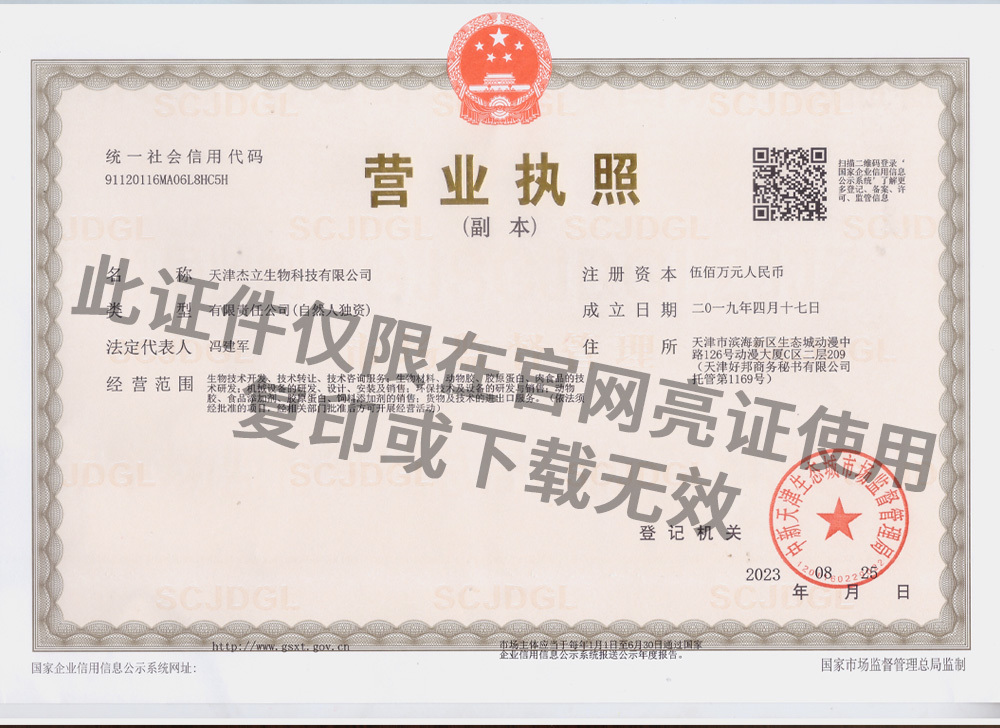
Tianjin Jieligel Biological Technology Co., Ltd | Powered by www.300.cn | Business license | SEO | Privacy Policy