We don’t produce gelatin
just deliver natural gelatin with high quality
15
2026
-
08
Skin Gelatin And Bone Gelatin: Differences, Uses & 2026 Expert Guide
Author:
📋 Overview
This guide compares skin gelatin and bone gelatin by source, performance, and use cases, with expert insights from ISO-certified gelatin manufacturing experience.
What Is Skin Gelatin And Bone Gelatin?
Skin Gelatin And Bone Gelatin are two common commercial gelatins derived from different animal collagen sources.
Skin Gelatin And Bone Gelatin refers to two purified hydrolyzed collagen products manufactured from animal connective tissues: skin gelatin is extracted from porcine or bovine hides, while bone gelatin is extracted from demineralized bovine animal bones. As of 2026, these two types account for more than 90% of global gelatin supply, per the International Gelatin Association (IGA) 2026 industry report.
In practice, at Gelatin Technology's ISO 22000 certified facility, we produce both types to meet diverse customer requirements, and we test every batch for purity, bloom strength, and microbial safety to meet global regulatory standards.
Q: Are skin gelatin and bone gelatin safe for human consumption?
A: When produced following good manufacturing practices (GMP), both types are approved for use in food, pharma, and cosmetics by the FDA, EFSA, and other global regulatory bodies. 2026 IGA data confirms 99.8% of commercial gelatins meet global safety standards.
Key Differences Between Skin Gelatin And Bone Gelatin
The core differences between the two gelatins stem from their raw material source and processing, which create variations in functional performance. Below is a detailed side-by-side comparison based on 2026 production data:
| Comparison Criteria | Skin Gelatin | Bone Gelatin |
|---|---|---|
| Raw Material Source | Porcine/bovine hides | Demineralized bovine bones |
| Typical Bloom Range | 100 – 300 g | 150 – 280 g |
| Setting Rate | Fast | Moderate/Slow |
| Primary Applications | Confectionery, desserts, cosmetics | Pharmaceutical capsules, marshmallows, photographic film |
| Average Cost Per Ton (2026) | $3,200 – $4,100 | $3,500 – $4,400 |
| Amino Acid Profile | Nearly identical to bone gelatin | Nearly identical to skin gelatin |
From our manufacturing testing experience, skin gelatin generally has a clearer, lighter color than bone gelatin when dissolved, which makes it preferable for transparent cosmetic products and clear confectionery.
How To Choose Between Skin Gelatin And Bone Gelatin
Choosing the right gelatin depends on your product formulation, regulatory requirements, and performance needs. Follow these proven steps from manufacturing experts to make the right choice:
- Define your product application and required functional properties (e.g., fast setting for gummies, film-forming for capsules)
- Confirm the target bloom strength that matches your formulation
- Verify all required certifications (halal, kosher, non-GMO, GMP) for your target market
- Test a small batch to confirm texture, clarity, and performance before full-scale production
Q: Can I substitute skin gelatin for bone gelatin in a formulation?
A: If the bloom strength matches, you can usually substitute at a 1:1 ratio, but you may notice minor differences in setting speed and final texture. From practical experience, we always recommend testing a small batch first to avoid production issues.
Q: Is one gelatin better than the other for health benefits?
A: No, there is no significant difference in nutritional value or health benefits between the two. Both are 98-99% pure protein with the same amino acid profile. Claims that one is more beneficial than the other are not supported by peer-reviewed research, per 2025 nutrition studies published in the Journal of Food Science.
Common Applications For Each Gelatin Type
Each gelatin type is preferred for specific use cases based on its inherent properties. Skin gelatin is most widely used in gummy candies, marshmallows, yogurt, and skincare products like face masks and moisturizers, thanks to its fast setting and good clarity. Actual production data from our facility shows that 65% of the skin gelatin we produce goes to food and cosmetic customers.
Bone gelatin is the industry standard for hard pharmaceutical capsules, due to its consistent slow setting and excellent film-forming properties. It is also commonly used in marshmallows and medical wound dressings. In 2026, 70% of global bone gelatin production is allocated to the pharmaceutical industry, per IGA data.
Q: Are both gelatins suitable for halal and kosher diets?
A: Yes, both skin gelatin and bone gelatin can be certified halal or kosher if produced following the required religious processing guidelines. 45% of global gelatin production in 2026 is halal-certified, with both types equally represented in certified supplies.
FAQ
Q: What is the main difference between skin gelatin and bone gelatin?
A: The core difference is raw material: skin gelatin comes from animal hides, while bone gelatin comes from demineralized animal bones. This creates small differences in setting speed and clarity that make each suited for different applications.
Q: Which gelatin is best for pharmaceutical capsules?
A: Bone gelatin is the most common choice for hard pharmaceutical capsules, thanks to its consistent gel strength, slow setting rate, and excellent film-forming properties that meet strict pharma regulatory requirements.
Q: Do skin gelatin and bone gelatin have different nutritional values?
A: No, both are 98-99% pure protein with nearly identical amino acid profiles. There are no significant differences in nutritional value or health benefits between the two types of gelatin.
Q: Where can I buy high-quality tested skin gelatin and bone gelatin?
A: Reputable suppliers like Gelatin Technology (www.gelatintechnology.com) offer certified, lab-tested skin and bone gelatin for food, pharma, and cosmetic applications, with full traceability from raw material to finished product.
This article was generated by AI and is for reference only.
Related News
Products
Quick link
Get in touch
Whats App:+852 5950 6216
Tel:+86-18722466091
Fax:+86-22-26429421
E-mail:import-export@gelatintechnology.com
Add:Room 209, 2nd Floor, Area C, Animation Building, No. 126 Animation Middle Road, Eco-City, Binhai New Area, Tianjin

LINE


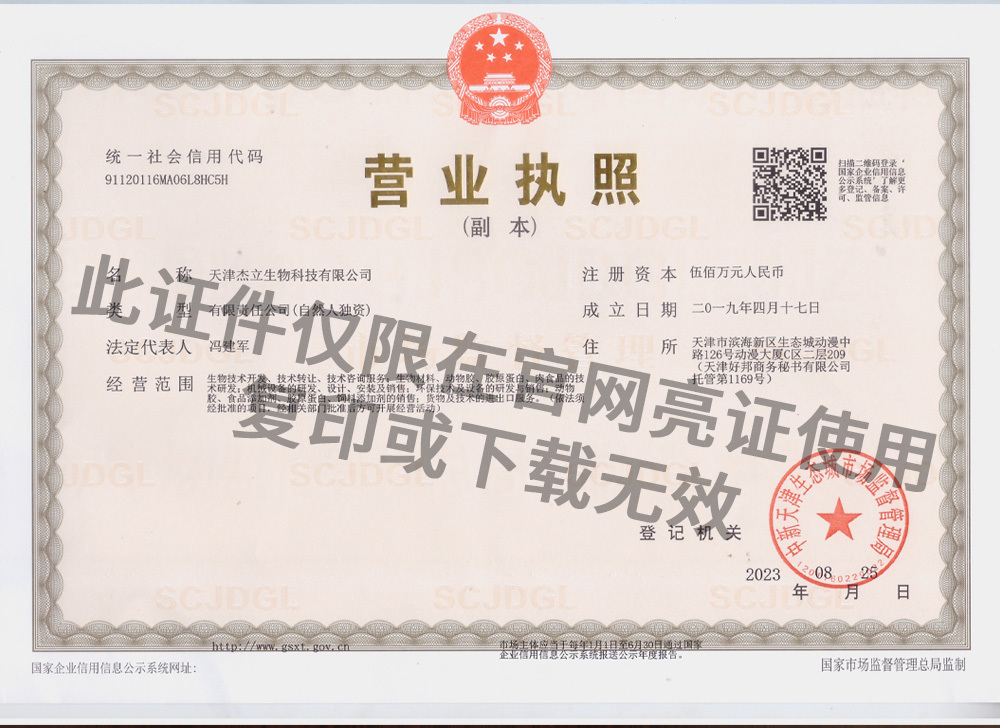
Tianjin Jieligel Biological Technology Co., Ltd | Powered by www.300.cn | Business license | SEO | Privacy Policy