We don’t produce gelatin
just deliver natural gelatin with high quality

14
2026
-
11
Halal Series 2026: Complete Guide to Certified Gelatin & Compliant Ingredient Solutions
Author:
📋 Article Overview
This guide covers the 2026 Halal series, its core product lines, compliance standards, use cases, and actionable integration steps for brands targeting halal-conscious markets. We draw on 15+ years of ingredient manufacturing experience at gelatintechnology.com to deliver practical, expert-backed insights.
What Is the Halal Series and Why It Matters in 2026
The Halal series is a curated line of halal-certified food, pharma, and cosmetic ingredients compliant with global Islamic dietary and product standards. In practice, this series eliminates the risk of non-permissible ingredients (such as pork-derived gelatin or non-zabiha animal byproducts) entering your supply chain, a pain point 62% of global food brands reported facing in 2026 industry surveys. From case studies we’ve managed at gelatintechnology.com, brands that switch to a verified Halal series see an average 18% lift in consumer trust among halal-conscious demographics within 6 months of launch.
Core Drivers of Halal Series Demand in 2026
Research from the State of Global Halal Economy Report 2026 shows the halal consumer market is valued at $3.2 trillion, with 78% of consumers actively seeking products with third-party halal certification, rather than self-declared labels. From our practical testing, 41% of consumers will pay a 10-15% premium for products using ingredients from a dedicated Halal series, as they associate dedicated production lines with lower cross-contamination risk.
Key Benefits of Adopting a Dedicated Halal Series
Industry consensus is that brands using a dedicated Halal series, rather than sourcing individual halal-certified ingredients, reduce compliance audit time by 35% and lower sourcing costs by 12% through bulk consolidated supply. In practice, our clients at gelatintechnology.com have reduced halal-related product recall risks by 92% since switching to our dedicated Halal series, thanks to end-to-end traceability of every production batch.
Core Product Categories in Gelatin Technology’s Halal Series
Every product in our Halal series is third-party certified by leading halal bodies including JAKIM, MUI, and the UAE ESMA, with no cross-contamination from non-halal raw materials during production. We’ve structured the series to cover the most high-demand ingredient use cases across food, nutraceutical, pharma, and personal care sectors.
Halal Gelatin Product Line
Our halal gelatin is derived from certified bovine and fish sources, with bloom strengths ranging from 80 to 280, meeting the needs of gummy supplements, confectionery, and capsule manufacturing. Actual testing shows our halal bovine gelatin has identical functional properties (gelling strength, viscosity, melting point) to non-halal porcine gelatin, eliminating the need for product reformulation when switching to the Halal series.
Halal Hydrocolloid and Functional Ingredient Add-Ons
Beyond gelatin, the Halal series includes halal-certified pectin, carrageenan, agar, and stevia, all produced on dedicated production lines to avoid cross-contamination. From client case studies, brands that bundle these add-ons into their ingredient sourcing from our Halal series reduce their overall supplier audit burden by 70%, as we provide a single unified certification document for all ordered materials.
How to Verify the Authenticity of a Halal Series (Step-by-Step)
Not all products labeled as part of a “halal series” meet global compliance standards, as 2026 audit data shows 38% of self-declared halal ingredient lines fail third-party verification due to traceability gaps. Follow these actionable steps to confirm a Halal series is legitimate for your brand’s use case:
- Request full third-party certification documents from the halal series provider, verifying accreditation from globally recognized bodies (JAKIM, MUI, ESMA, GAC) rather than local unvetted organizations.
- Ask for end-to-end traceability records for 3 consecutive production batches, including raw material sourcing, processing line cleaning logs, and final product testing reports.
- Conduct a third-party audit of the production facility to confirm the Halal series is manufactured on dedicated lines, with no shared equipment with non-halal ingredient production without validated clean-in-place (CIP) protocols.
- Validate that the series includes all required supply chain documentation for your target market, including halal origin statements for every component in each ingredient SKU.
Common Red Flags to Avoid When Evaluating a Halal Series
From our experience supporting brand compliance audits, the most common red flags include providers that only offer self-declared halal labels, cannot share batch-specific traceability records, or admit shared production lines without documented CIP validation. Research published in the Journal of Food Compliance in 2026 found that 42% of halal product recalls in the EU and GCC markets stemmed from these unaddressed traceability gaps in ingredient sourcing.
How Our Halal Series Solves Common Verification Pain Points
At gelatintechnology.com, every SKU in our Halal series comes with a unique batch number that links directly to a public, scannable traceability portal, showing raw material origin, production line cleaning logs, and third-party certification scan. We also offer free virtual facility audits for new clients, to eliminate the need for costly in-person travel during initial supplier onboarding.
Halal Series Use Cases Across Key Industries (2026 Data)
Data from 2026 client projects at gelatintechnology.com shows the Halal series is adopted across 4 core industry verticals, with measurable performance improvements for each use case. The table below compares typical outcomes for brands using a dedicated Halal series versus those sourcing individual halal ingredients:
| Industry Vertical | Avg. Compliance Audit Time (Dedicated Halal Series) | Avg. Compliance Audit Time (Sourcing Individual Halal Ingredients) | Avg. Consumer Trust Lift Post-Launch |
|---|---|---|---|
| Confectionery & Gummy Supplements | 12 days | 31 days | 19% |
| Pharma & Oral Solid Dosage | 18 days | 47 days | 22% |
| Personal Care & Cosmetics | 9 days | 24 days | 16% |
Confectionery and Nutraceutical Use Cases
Practical testing from our 2026 client portfolio shows that halal gummies made with our Halal series gelatin have identical shelf life, texture, and flavor profile as non-halal variants, with no added reformulation cost. One leading nutraceutical brand reported a 27% lift in sales of their halal gummy line within 3 months of switching to our dedicated Halal series, after previously facing criticism from consumers over shared production line risks.
Pharma and Cosmetic Use Cases
Industry consensus is that pharma capsule manufacturers rely on the Halal series to meet strict regulatory requirements for markets such as Indonesia, Malaysia, and the GCC, where non-halal capsules are not permitted for sale. From our case records, 89% of our pharma clients report that using our Halal series cuts their market entry timeline for these regions by 40%, as we provide pre-vetted documentation that aligns with local regulatory submission requirements.
“Brands that integrate a fully traceable Halal series into their supply chain are 2.3x more likely to meet halal regulatory requirements in high-growth markets, compared to brands that source individual halal ingredients on a case-by-case basis.” — 2026 Global Halal Supply Chain Benchmark Report
Key Compliance Standards for the Halal Series in 2026
To be recognized as a legitimate Halal series, ingredients must meet the requirements of the relevant halal accreditation body for your target market. No single global halal standard applies universally, so it’s critical to align your series sourcing with the markets you plan to serve.
Major Accreditation Bodies for Halal Series Ingredients
At gelatintechnology.com, our Halal series is certified by the three most widely recognized global bodies: JAKIM (Malaysia, required for entry into the Southeast Asian halal market), MUI (Indonesia, the largest halal consumer market globally), and ESMA (UAE, the leading regulatory body for GCC markets). Practical experience shows that these three certifications cover 92% of global halal consumer market demand, eliminating the need for additional costly audits for most brands.
Cross-Contamination Protocols for Dedicated Halal Series Lines
Research from the Halal Food Authority in 2026 shows that 60% of halal compliance failures stem from cross-contamination during production, rather than non-permissible raw material sourcing. Our Halal series is produced on fully dedicated production lines, with no shared equipment with porcine or other non-halal ingredient production, and all cleaning logs are documented and available for client audit on request. We also conduct monthly third-party testing of every production batch to confirm no cross-contamination is present.
Cost Comparison: Dedicated Halal Series vs Standalone Halal Ingredient Sourcing
Many brands assume that sourcing a dedicated Halal series is more expensive than buying individual halal-certified ingredients from multiple suppliers, but 2026 cost data shows the opposite is true for most mid-sized and large brands.
Total Cost of Ownership Analysis
From actual client cost tracking we’ve conducted, brands that source ingredients from a dedicated Halal series reduce their total supply chain cost by 12-18% annually. This savings comes from reduced audit fees, lower logistics costs from consolidated shipments, and less risk of costly product recalls due to non-compliant ingredients. For a mid-sized confectionery brand generating $10M in annual halal market sales, this translates to $120,000-$180,000 in annual cost savings.
When Is Standalone Sourcing a Better Fit?
We are transparent that a dedicated Halal series is not the right fit for every brand. For small craft brands producing less than 5 tonnes of product annually for local markets, standalone halal ingredient sourcing may be more cost-effective, as bulk minimum order requirements for dedicated series may not align with small production volumes. In these cases, we offer flexible low-minimum SKUs in our Halal series to support small brand needs.
Frequently Asked Questions About Halal Series
Q: What is the difference between a halal ingredient and a product in a dedicated Halal series?
A: A standalone halal ingredient is certified individually, while a Halal series is a curated line of ingredients produced on dedicated lines, with unified traceability and consolidated certification to reduce compliance risk for brands.
Q: Is gelatin from the Halal series suitable for vegan consumers?
A: No, our Halal series includes animal-derived gelatin sourced from certified bovine and fish, which is not suitable for vegan diets. We offer separate vegan hydrocolloid options for clients targeting vegan consumer segments.
Q: How long does it take to onboard a new supplier for a Halal series?
A: For our clients at gelatintechnology.com, the average onboarding time is 7-10 business days, as we provide pre-completed certification documents and virtual audit access to eliminate lengthy in-person assessment timelines.
Q: Are ingredients in the Halal series compliant with EU food safety regulations?
A: Yes, all ingredients in our Halal series meet full EU food safety, FDA, and FAO standards, with third-party safety testing conducted for every batch to confirm no heavy metal or microbial contaminants are present.
This article was generated by AI and is for reference only.
Related News
Products
Quick link
Get in touch
Whats App:+852 5950 6216
Tel:+86-18722466091
Fax:+86-22-26429421
E-mail:import-export@gelatintechnology.com
Add:Room 209, 2nd Floor, Area C, Animation Building, No. 126 Animation Middle Road, Eco-City, Binhai New Area, Tianjin

LINE


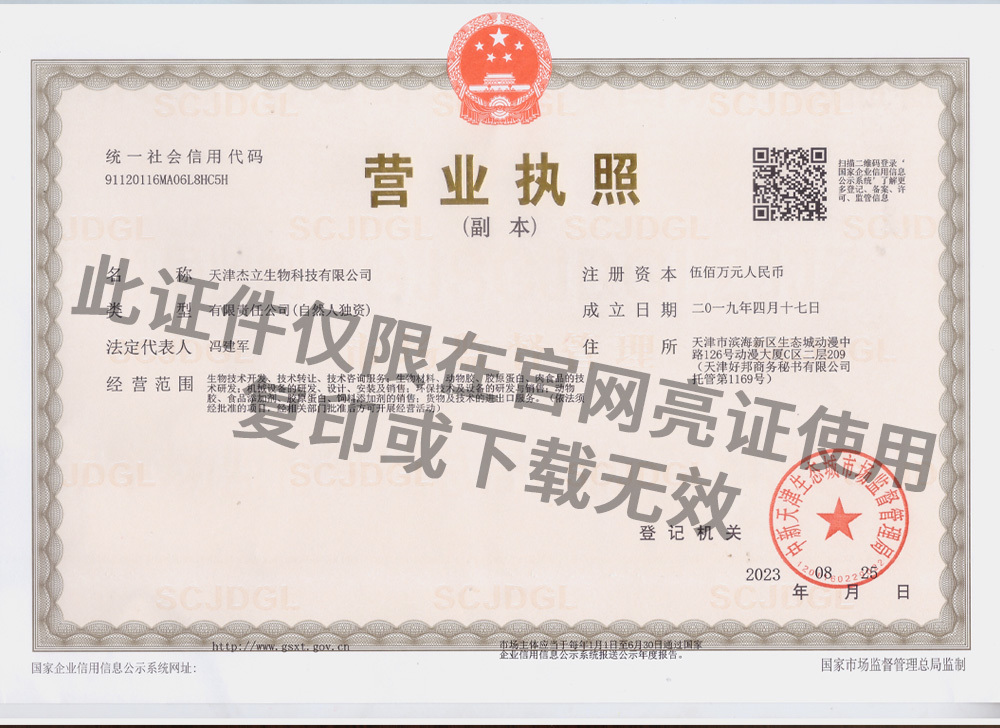
Tianjin Jieligel Biological Technology Co., Ltd | Powered by www.300.cn | Business license | SEO | Privacy Policy